DogBreedCompass
← Back to breed profile

Beagle Purebred vs. Mixed Breeds: Understanding the Differences

Choosing between a Beagle purebred and a mixed breed can be confusing. It's important to understand the distinct traits and potential health issues associated with each. (Beagle purebred vs. mixed breeds)

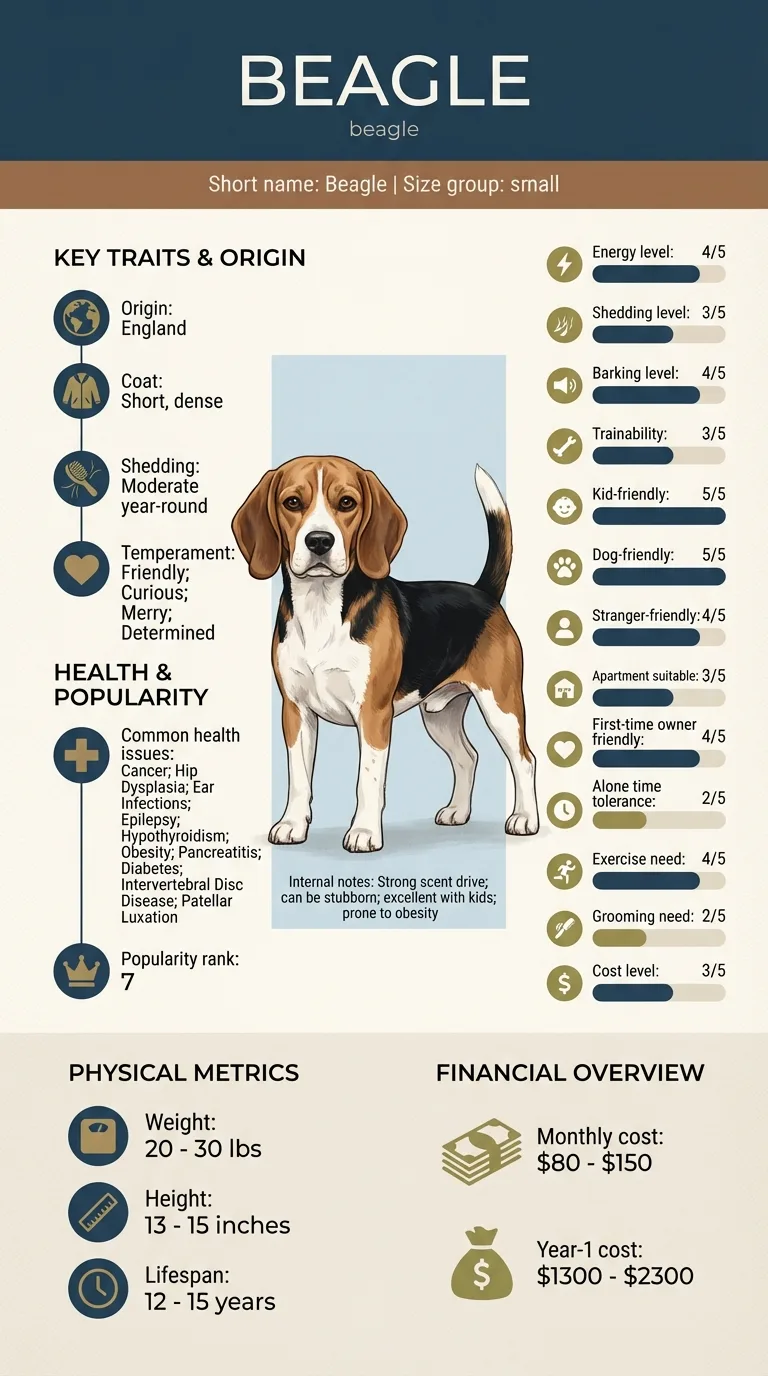
Beagle Purebred vs. Mixed Breeds: Understanding the Differences infographic

New dog owners, families with kids, and those considering adopting a Beagle may find themselves debating whether to go for a purebred or a mixed breed. Understanding the unique needs and behaviors of each can significantly impact their decision.

Important reminder

This guide is not medical advice. If your dog shows pain, sudden behavior change, or worsening symptoms, consult a licensed veterinarian.

Some links may be affiliate links. We may earn a commission at no extra cost to you. We only suggest products we believe are helpful for dog owners.

What this problem looks like

Beagle purebred vs. mixed breeds can create confusion for potential owners. While both types can be friendly and energetic, purebreds often face specific health challenges. Understanding the differences is crucial for making a responsible decision.

Common triggers

  • Health issues related to purebred genetics, such as a higher likelihood of cancer.
  • Behavioral issues that can arise from a lack of socialization or training.
  • Misconceptions about the temperament and care needs of purebred versus mixed breeds.

Beagle purebred vs. mixed breeds is a common topic among dog lovers. Many owners notice differences in health and behavior, making it essential to consider these factors when choosing a dog.

Why this happens

Breed factors

Beagles, whether purebred or mixed, have a strong scent drive and can be curious and determined. This instinct can lead them to display certain behaviors that may be challenging. Purebred Beagles may also inherit specific health issues, increasing their anxiety and behavioral problems.

Environment factors

A Beagle's environment plays a crucial role in their behavior. High-stress situations, lack of exercise, or insufficient socialization can contribute to anxiety and behavioral issues. Additionally, living in a noisy area or being left alone for long periods can exacerbate these challenges.

What you can try

At-home strategies

  • Establish a consistent routine for feeding, walking, and playtime. Beagles thrive on predictability, which can help reduce anxiety.
  • Provide ample exercise through daily walks and play sessions to channel their energy positively. Consider using puzzle toys to keep them mentally stimulated.
  • Encourage positive reinforcement training to address unwanted behaviors. Reward good behavior with treats and praise, and be patient as they learn.

When to consider a trainer

If your Beagle's behavior continues to be problematic despite your efforts, it may be time to consult a professional trainer. Look for a trainer experienced with Beagles and positive reinforcement methods to help address specific behavioral issues.

When to talk to your vet

If you notice significant changes in your Beagle's behavior, such as increased aggression or extreme anxiety, consult your vet. They can rule out any underlying health problems and discuss behavioral therapies or medications if necessary.

Realistic expectations

You can expect to see improvements in behavior and understanding within 3 to 6 months of consistent training and socialization.

Success means your Beagle, whether purebred or mixed, shows reduced anxiety, improved social skills, and a better ability to adapt to various environments.

Mistakes that make this worse

Here are common mistakes that can worsen the challenges of choosing between Beagle purebred and mixed breeds. Avoiding these pitfalls can help you make a better decision for you and your future dog.

  • Ignoring temperament differences: Not considering how purebred Beagles may have specific traits that differ from mixed breeds can lead to mismatched expectations. Research both options thoroughly to understand their temperaments.
  • Overlooking health concerns: Many purebred Beagles are prone to specific health issues, like obesity and hip dysplasia. Consult with a vet about potential health risks before making a decision.
  • Assuming all Beagles are the same: Each dog, whether purebred or mixed, has its unique personality. Spend time with different dogs to find one that matches your lifestyle and personality.
  • Neglecting training needs: Beagle purebreds may require more specialized training compared to mixed breeds. Ensure you’re prepared for consistent training and socialization to avoid behavior issues.
  • Making decisions based on looks alone: Choosing a dog based solely on its appearance can lead to regrets later. Focus on practical factors like energy levels and health issues alongside aesthetics.
  • Underestimating exercise requirements: Both Beagle purebreds and mixed breeds require regular exercise. Failing to meet their needs can lead to anxiety and destructive behavior.
  • Rushing the decision: Impulse buying a dog can result in regret. Take your time and evaluate your lifestyle, home environment, and future plans before committing.

When Beagle Purebred vs. Mixed Breeds is an Emergency

Understanding when the Beagle purebred vs. mixed breeds issue becomes an emergency can save you and your dog from serious consequences. If your Beagle shows signs of severe distress, such as persistent vomiting, difficulty breathing, or unresponsiveness, you should call your vet immediately. These symptoms could signal a potentially life-threatening condition.

On the other hand, if your Beagle is experiencing mild behavioral issues, such as occasional barking or stubbornness, you can often manage these with training and patience. While these behaviors can be frustrating, they usually don't require urgent veterinary care. Instead, monitor their habits and consider seeking professional training advice.

Look out for red flags like sudden changes in appetite, excessive lethargy, or signs of pain. If your Beagle is a purebred, be aware that they may be more prone to specific health issues, making vigilance even more crucial. If you notice any of these symptoms, don’t hesitate to reach out to your vet for guidance.

Beagle Purebred vs. Mixed Breeds: Understanding the Differences - When Beagle Purebred vs. Mixed Breeds is an Emergency

Finding Balance with Max the Beagle

Sarah, a busy nurse in Seattle, adopted Max, a mixed-breed Beagle. Initially, Max struggled with separation anxiety, barking excessively when left alone. After attending a training class focused on anxiety reduction and using gradual desensitization techniques, Sarah noticed significant changes. Within a few months, Max became calmer during her shifts and even made friends with the neighbor's dog. Now, he enjoys his own space without panicking, and Sarah can work without worrying about her furry friend.

Key takeaway: With patience and the right training, even a Beagle with anxiety can thrive. Consistency is key to helping them feel secure.

Frequently asked questions

What are the key differences between Beagle purebred and mixed breeds?

Beagle purebreds tend to have more predictable traits in terms of behavior and health. Mixed breeds may inherit positive traits from both parents, potentially reducing the risk of certain genetic health issues. However, it's essential to evaluate each dog's individual personality and needs. This answer relates to Beagle purebred vs. mixed breeds.

How can I stop my Beagle from developing health issues?

Regular vet check-ups, a balanced diet, and consistent exercise are crucial for preventing health issues in Beagles. Additionally, being aware that purebreds may have a higher risk of certain conditions can help you take preventive measures earlier.

Why does my Beagle display certain behaviors associated with purebreds or mixed breeds?

A Beagle's behavior can be influenced by genetics, upbringing, and socialization. Purebreds might exhibit more consistent traits, while mixed breeds can show a mix of behaviors depending on their lineage. Training and socialization play a significant role in shaping their behavior.

What training approaches work best for Beagle purebreds versus mixed breeds?

Both Beagle purebreds and mixed breeds benefit from positive reinforcement training. However, purebreds might require more structure due to their penchant for stubbornness. Consistency and patience are key to successful training for either type.

Are there specific health risks for Beagle purebreds compared to mixed breeds?

Yes, studies show that purebred Beagles are 1.9 times more likely to develop cancer than mixed breeds. Be aware of common health issues like hip dysplasia and obesity, which can affect both types, but monitor purebreds more closely due to their genetic predispositions.

What should I do if my Beagle is showing signs of anxiety between purebred and mixed breeds?

If your Beagle shows anxiety, consider their background. Mixed breeds might adjust differently than purebreds. Consult a vet or a dog behaviorist for tailored advice to help your Beagle feel secure.

Can a mixed breed Beagle have different health issues than a purebred Beagle?

Yes, mixed breed Beagles can have different health issues compared to purebreds. While purebreds may be more prone to specific genetic conditions, mixed breeds can inherit a wider range of potential health problems. Regular vet check-ups are essential for all Beagles, regardless of their breeding.

How can I train my mixed breed Beagle effectively?

Training a mixed breed Beagle can be approached similarly to training a purebred. Focus on consistency and positive reinforcement. Remember that patience is key, as mixed breeds may display a mix of traits and behaviors.

Are there specific behavioral differences between purebred and mixed breed Beagles?

Behavioral differences can exist due to genetics and environment. Purebred Beagles might exhibit more predictable traits, while mixed breeds could show varied behaviors based on their ancestry. Observing and adapting your training approach is important.

How does the cost of owning a Beagle differ between purebred and mixed breeds?

Owning a purebred Beagle may involve higher initial costs, including purchasing from breeders. Mixed breed Beagles might be less expensive upfront, but ongoing health issues could impact long-term expenses. Consider both initial and ongoing costs when deciding.

Quick answers

View more answers
Behavior

What are quick tips for Beagle purebred vs. mixed breeds?

Focus on regular vet visits, a healthy diet, and consistent training for your Beagle, whether purebred or mixed. Understanding their unique behaviors will help you provide better care.

Training

How can I ensure my Beagle is well-trained?

Use positive reinforcement methods and start training early. Beagles are smart but can be stubborn, so patience is essential.

Health

What are common health issues in Beagles?

Beagles may face health problems like hip dysplasia, obesity, and ear infections. Regular check-ups can help catch these issues early.

Related DogBreedCompass guides

  • Beagle separation anxiety guideLearn how to manage separation anxiety in Beagles, whether purebred or mixed.
  • Beagle behavior problemsExplore common behavior problems in Beagles and how to address them.
  • Beagle cost breakdownUnderstand the costs associated with owning a Beagle, both purebred and mixed.
  • Purebred vs. mixed breed Beagle comparisonDiscover the differences between purebred and mixed breed Beagles.
  • Beagle training tipsGet tips on training techniques specifically for Beagles.

Related guides