DogBreedCompass
← Back to breed profile

Understanding Beagle Brachycephalic Obstructive Airway Syndrome (BOAS)

Beagle brachycephalic obstructive airway syndrome (BOAS) is a serious condition that affects breathing in these cute dogs. It can lead to snoring, coughing, and heat sensitivity.

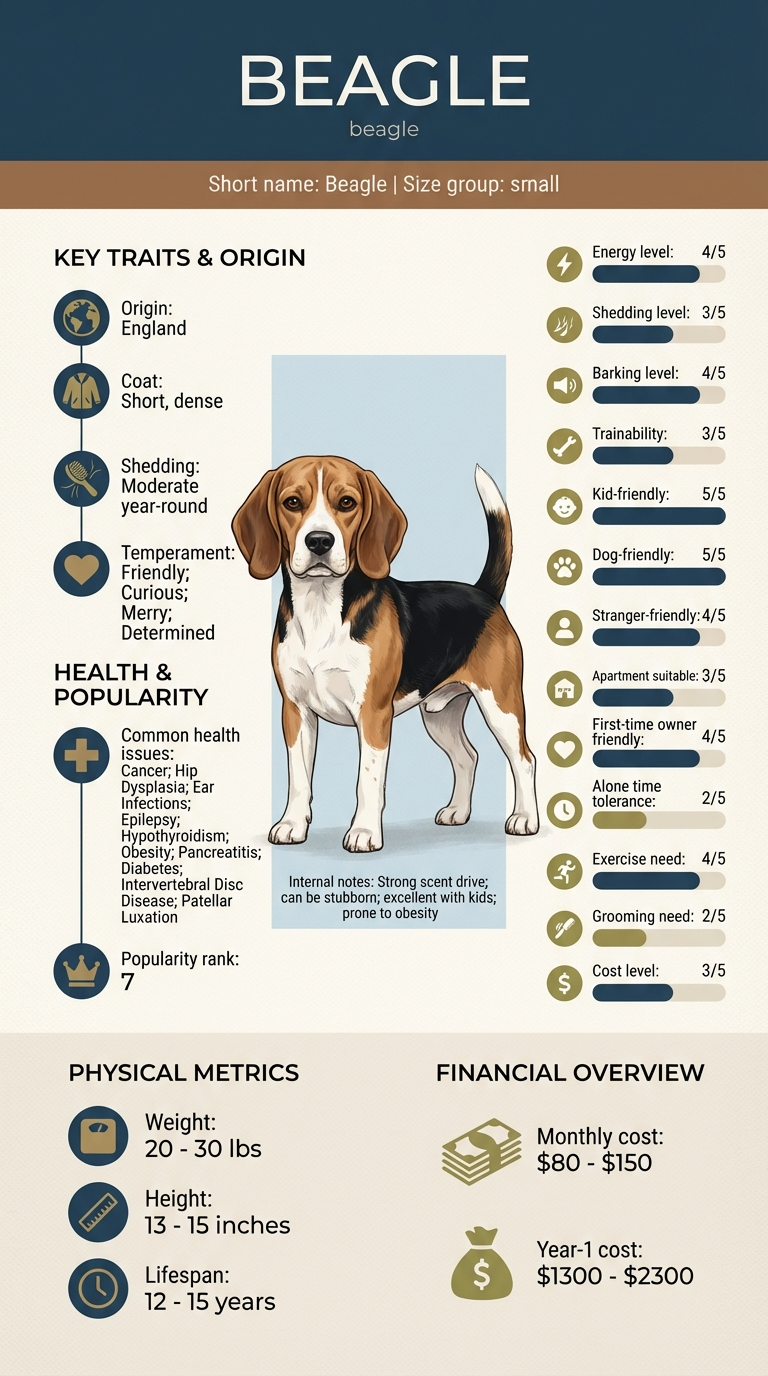
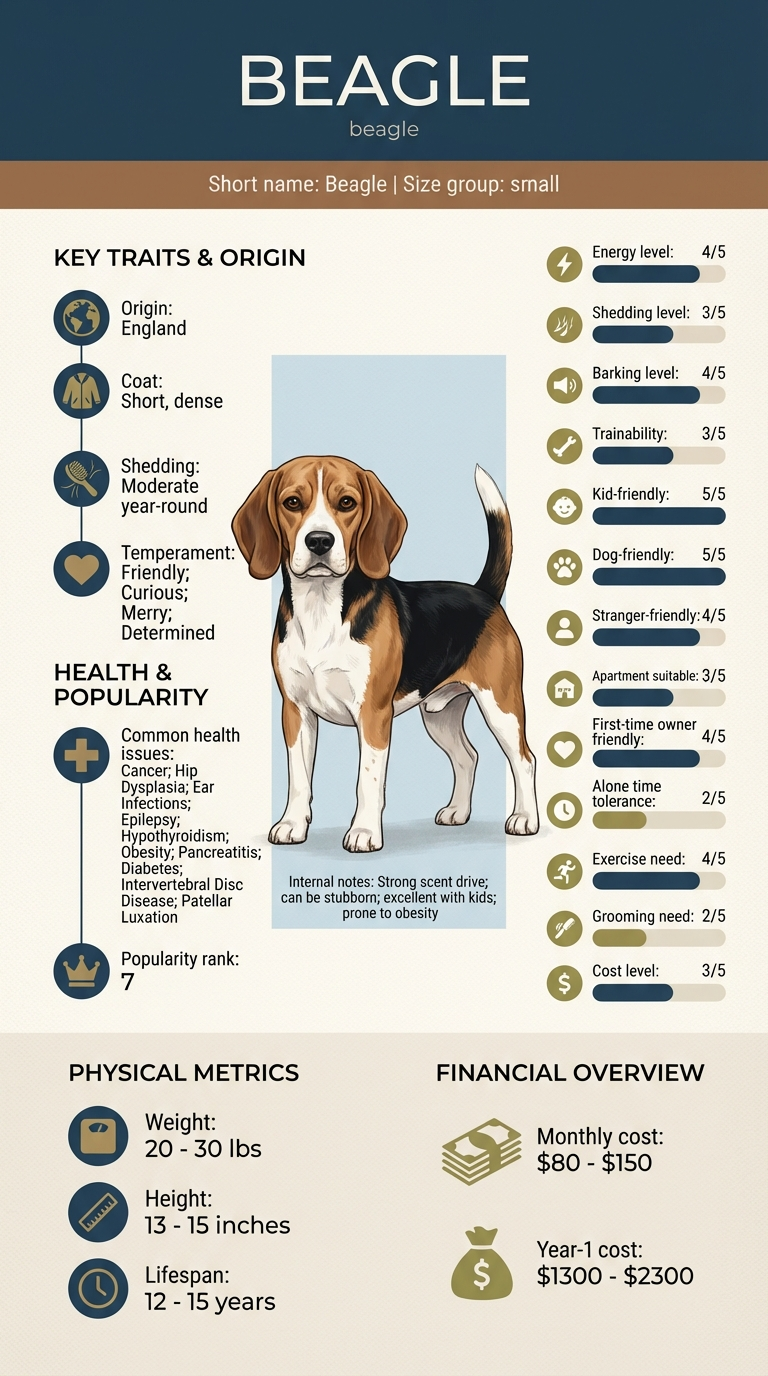
Understanding Beagle Brachycephalic Obstructive Airway Syndrome (BOAS) infographic

This issue often affects Beagle owners, especially those who are first-time pet parents. Busy families or individuals who live in warmer climates may find it challenging to manage their dog's breathing difficulties.

Important reminder

This guide is not medical advice. If your dog shows pain, sudden behavior change, or worsening symptoms, consult a licensed veterinarian.

Some links may be affiliate links. We may earn a commission at no extra cost to you. We only suggest products we believe are helpful for dog owners.

What this problem looks like

Beagle brachycephalic obstructive airway syndrome (BOAS) can lead to significant breathing difficulties for your pet. This condition is seen in Beagles due to their short snouts, causing issues like snoring and trouble with physical activities. If your Beagle struggles to breathe during walks or becomes overly tired, BOAS might be the reason.

Common triggers

  • Hot weather or high humidity
  • Excessive exercise or excitement
  • Obesity, which can worsen breathing issues

Brachycephalic obstructive airway syndrome is quite common in Beagles, especially those with more pronounced brachycephalic traits. Many Beagles may exhibit some symptoms of BOAS, making it essential for owners to be aware of their dog's breathing patterns.

Why this happens

Breed factors

Beagles, while not traditionally classified as brachycephalic, can exhibit traits that lead to breathing issues. Some Beagles have facial structures that are shorter than ideal, which can cause airway blockages. These anatomical quirks make them susceptible to conditions like Brachycephalic Obstructive Airway Syndrome (BOAS).

Environment factors

Environmental factors also contribute to BOAS in Beagles. For instance, heat and humidity can exacerbate breathing difficulties. Additionally, obesity is common in Beagles, which can further strain their respiratory systems and contribute to airway obstruction.

What you can try

At-home strategies

  • Maintain a healthy weight for your Beagle. Monitor their diet and exercise regularly to help prevent obesity, which can worsen breathing issues.
  • Create a cool and comfortable environment. Ensure your Beagle has access to shade and fresh water, especially during hot weather.
  • Limit strenuous activities. Avoid excessive exercise during hot days, opting for short walks instead of long runs.

When to consider a trainer

If your Beagle shows persistent breathing issues or exhibits signs of anxiety related to their condition, consider consulting a professional trainer. A trainer can provide tailored strategies to help manage anxiety and improve your dog's overall behavior.

When to talk to your vet

If you notice severe or worsening symptoms, such as loud snoring, difficulty breathing, or lethargy, contact your vet. A vet can assess the severity of BOAS in your Beagle and recommend necessary treatments or lifestyle adjustments.

Realistic expectations

Improving your Beagle's brachycephalic obstructive airway syndrome (BOAS) will take at least a few weeks to months of consistent management and training. Regular vet check-ups and possibly lifestyle adjustments will be necessary for long-term success.

Success means your Beagle can breathe comfortably, engage in regular activities without excessive panting, and manage their weight effectively. You'll notice fewer breathing issues and a happier, more active dog.

Mistakes that make this worse

Avoiding certain behaviors can help your Beagle manage brachycephalic obstructive airway syndrome (BOAS) better. Here are some common mistakes to steer clear of.

  • Ignoring signs of discomfort: If your Beagle shows signs of breathing difficulty or excessive panting, it’s essential to take a break and cool them down. Pushing them through discomfort can worsen their condition.
  • Overexerting during exercise: Beagles need exercise, but avoid intense activities, especially in hot weather. Opt for short, gentle walks instead of long runs or play sessions.
  • Allowing weight gain: Obesity can exacerbate BOAS symptoms. Monitor your Beagle's diet and ensure they maintain a healthy weight with proper portions and exercise.
  • Neglecting regular vet check-ups: Regular veterinary visits are crucial to monitor your Beagle's health and adjust care as needed. Skipping these can lead to missed issues with their breathing.
  • Using collars instead of harnesses: Collars can restrict airflow and increase breathing difficulties. Always use a harness to distribute pressure away from their neck.
  • Training with harsh methods: Stressful training techniques can lead to anxiety and worsen breathing issues. Use positive reinforcement methods to help your Beagle learn in a supportive environment.

When Beagle Brachycephalic Obstructive Airway Syndrome (BOAS) is an Emergency

If your Beagle experiences severe difficulty breathing, excessive panting, or bluish gums, these are red flags that mean you should call your vet right away. Other urgent signs include frequent coughing, choking, or signs of distress during regular activities. These symptoms indicate that your dog may be in danger and requires immediate care.

On the other hand, mild symptoms such as occasional snoring, slight coughing, or mild exercise intolerance can typically be monitored at home. If your Beagle displays these less severe signs, it’s important to create a plan to manage their condition. Regular vet check-ups and monitoring their behavior during playtime or walks can help you stay on top of any changes.

By understanding the difference between emergency situations and mild cases, you can ensure your Beagle receives appropriate care without unnecessary panic. Remember, if you're ever in doubt, err on the side of caution and consult your vet.

Understanding Beagle Brachycephalic Obstructive Airway Syndrome (BOAS) - When Beagle Brachycephalic Obstructive Airway Syndrome (BOAS) is an Emergency

Emily and Max's Journey with BOAS

Emily, a first-time Beagle owner, noticed her dog Max struggled to breathe, especially after playtime. Concerned about his health, she took him to the vet, who diagnosed him with brachycephalic obstructive airway syndrome (BOAS). Emily learned to adapt Max's exercise routine, opting for shorter, more frequent walks instead of long runs. She also worked on training him to stay calm and avoid overheating. Over the next few months, Max's breathing improved, and he became more energetic during his daily activities, allowing Emily to enjoy their time together much more.

Key takeaway: With the right adjustments and a bit of patience, managing your Beagle's BOAS can lead to a happier and healthier life for both you and your dog.
Frequently asked questions

What is Beagle brachycephalic obstructive airway syndrome (boas)?

Beagle brachycephalic obstructive airway syndrome (boas) is a condition that affects the breathing of Beagles. It is caused by their short snouts, leading to breathing difficulties, snoring, and sensitivity to heat. This condition can impact their overall health and quality of life.

Why does my Beagle have brachycephalic obstructive airway syndrome (boas)?

Brachycephalic obstructive airway syndrome (boas) is common in breeds like Beagles due to their physical structure. The shape of their skull and nasal passages can restrict airflow. If your Beagle shows signs of breathing trouble, it's crucial to consult your veterinarian.

How can I help my Beagle with BOAS symptoms?

To help manage Beagle brachycephalic obstructive airway syndrome (boas), ensure your dog maintains a healthy weight, as obesity can worsen symptoms. Avoid strenuous exercise in hot weather and provide a cool, comfortable environment. Regular vet check-ups are essential for monitoring their condition.

What are the treatment options for Beagle BOAS?

Treatment for Beagle brachycephalic obstructive airway syndrome (boas) may include lifestyle changes and, in severe cases, surgery. Weight management and avoiding heat stress can alleviate symptoms. If your Beagle has significant breathing issues, your vet may recommend surgical intervention to improve airflow.

Can training help my Beagle with BOAS?

Training can help your Beagle adapt to their condition by teaching them calm behaviors and reducing anxiety. Positive reinforcement techniques can aid in managing stress, which may worsen breathing difficulties. However, training alone will not resolve the physical aspects of BOAS.

What are the signs that my Beagle may have brachycephalic obstructive airway syndrome (BOAS)?

Common signs of BOAS in Beagles include loud snoring, labored breathing, and excessive panting, especially in hot weather. If your Beagle seems to struggle for breath during exercise or shows signs of distress, it's important to consult a vet.

Can older Beagles develop brachycephalic obstructive airway syndrome (BOAS)?

Yes, older Beagles can develop BOAS, particularly if they have underlying health issues. Regular vet check-ups become increasingly important as your dog ages to monitor for any respiratory problems.

How can I help my Beagle with brachycephalic obstructive airway syndrome (BOAS)?

To manage BOAS, ensure your Beagle maintains a healthy weight and avoid strenuous exercise in hot weather. Consider training techniques that promote calmness and minimize stress, which can help reduce breathing difficulties.

When should I take my Beagle to the vet for breathing issues related to BOAS?

If your Beagle experiences severe difficulty breathing, persistent coughing, or if you notice color changes in their gums, seek immediate veterinary attention. It’s always better to err on the side of caution when it comes to breathing problems.

Are there specific training techniques for Beagles with brachycephalic obstructive airway syndrome (BOAS)?

Yes, training should focus on building calmness and avoiding excitement that can induce breathing difficulties. Positive reinforcement techniques work well, helping your Beagle learn commands while minimizing stress.

Quick answers

View more answers
Behavior

What are quick tips for Beagle brachycephalic obstructive airway syndrome (boas)?

Monitor your Beagle's weight, avoid hot weather activities, and ensure they have a comfortable resting area. Regular vet visits are crucial to track their health.

Health

How do I recognize BOAS in my Beagle?

Signs of BOAS include loud snoring, labored breathing, and excessive panting. If you notice these symptoms, consult your vet for a proper evaluation.

Health

Is surgery necessary for Beagle BOAS?

Surgery may be required for severe cases of Beagle brachycephalic obstructive airway syndrome (boas). Your vet can guide you on the best options based on your dog's condition.

Health

What should I do if my Beagle struggles to breathe?

If your Beagle struggles to breathe, immediately take them to a vet. Quick action can help prevent serious complications.

Related DogBreedCompass guides

Related guides