Behavior
What are quick tips for Basset Hound back problems?
Avoid high jumps, maintain a healthy weight, and engage in low-impact exercises to help prevent back issues.

Quick answer
What are quick tips for Basset Hound back problems?
Avoid high jumps, maintain a healthy weight, and engage in low-impact exercises to help prevent back issues.
Basset Hound back problems are a common concern for owners of this beloved breed.
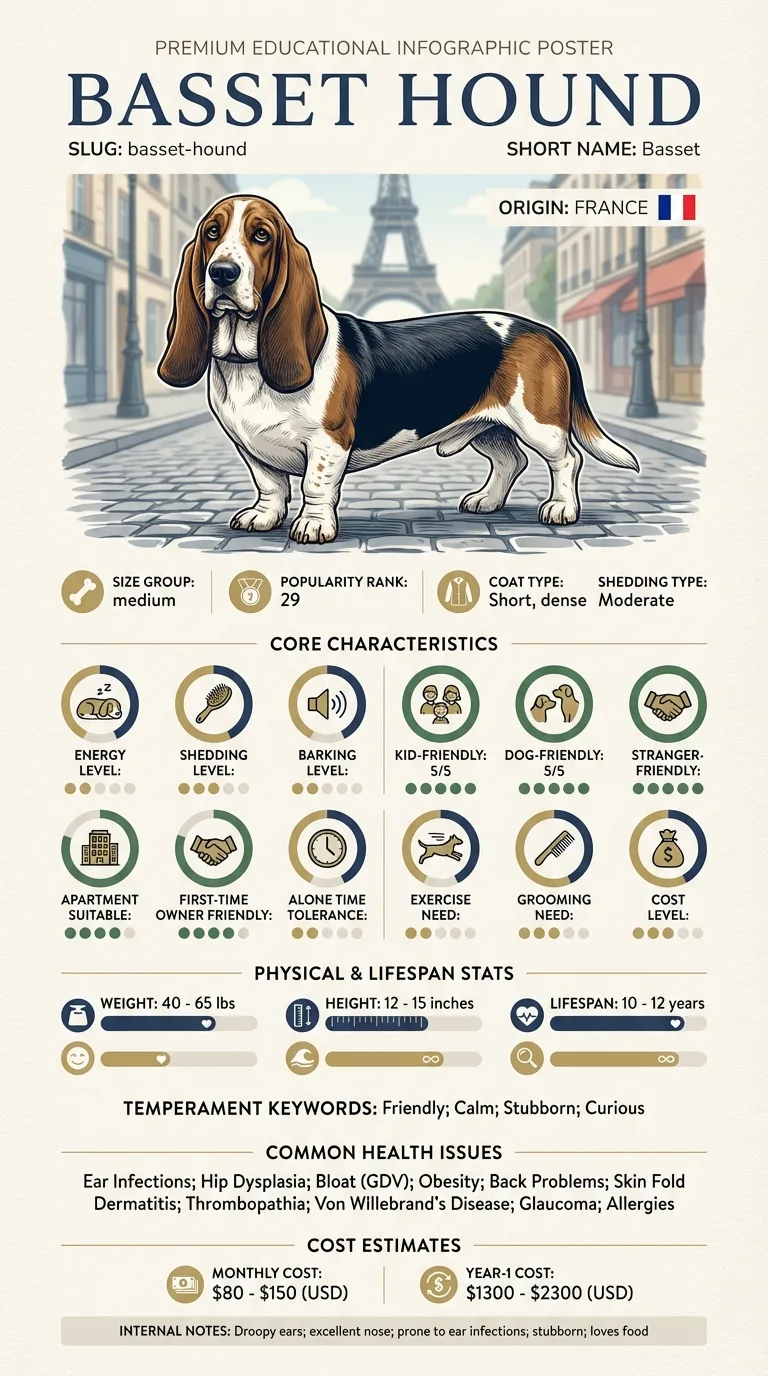
Typically, Basset Hound owners who may struggle with these problems include families, first-time dog parents, and those unaware of the breed's specific health needs.
This guide is not medical advice. If your dog shows pain, sudden behavior change, or worsening symptoms, consult a licensed veterinarian.
Some links may be affiliate links. We may earn a commission at no extra cost to you. We only suggest products we believe are helpful for dog owners.
We research and check what we publish, but we do not warrant that any figure, date, price, or statement is accurate, complete, or current, and we accept no liability for any loss, cost, injury, or other harm arising from the use of this site. Use it as one reference among several. You remain responsible for your own decisions and for your dog's care - confirm anything that matters with a licensed veterinarian or another qualified professional before you act on it. Full disclaimer.
Check this first
It's crucial to recognize when Basset Hound back problems require immediate veterinary attention. Some signs are clear indicators that you should call your vet right away. If your Basset Hound shows severe pain, difficulty walking, or is unable to stand, these are red flags. Additionally, if you notice any sudden changes in behavior, like aggression or extreme lethargy, it's time to seek help.
Mild cases of back problems can often be monitored at home. If your Basset Hound is occasionally stiff after exercise but still moves around normally, you can watch and wait. Setting up a plan with limited activity and gentle stretching can help. However, keep an eye out for any worsening symptoms. If your dog starts to whine or seems uncomfortable, don’t hesitate to check in with your vet.
In summary, when in doubt, it's always better to err on the side of caution. Understanding these signs can help ensure your Basset Hound stays healthy and happy.
If any of these apply, call your vet or an emergency clinic now. The rest of this page is for the cases that are not an emergency.
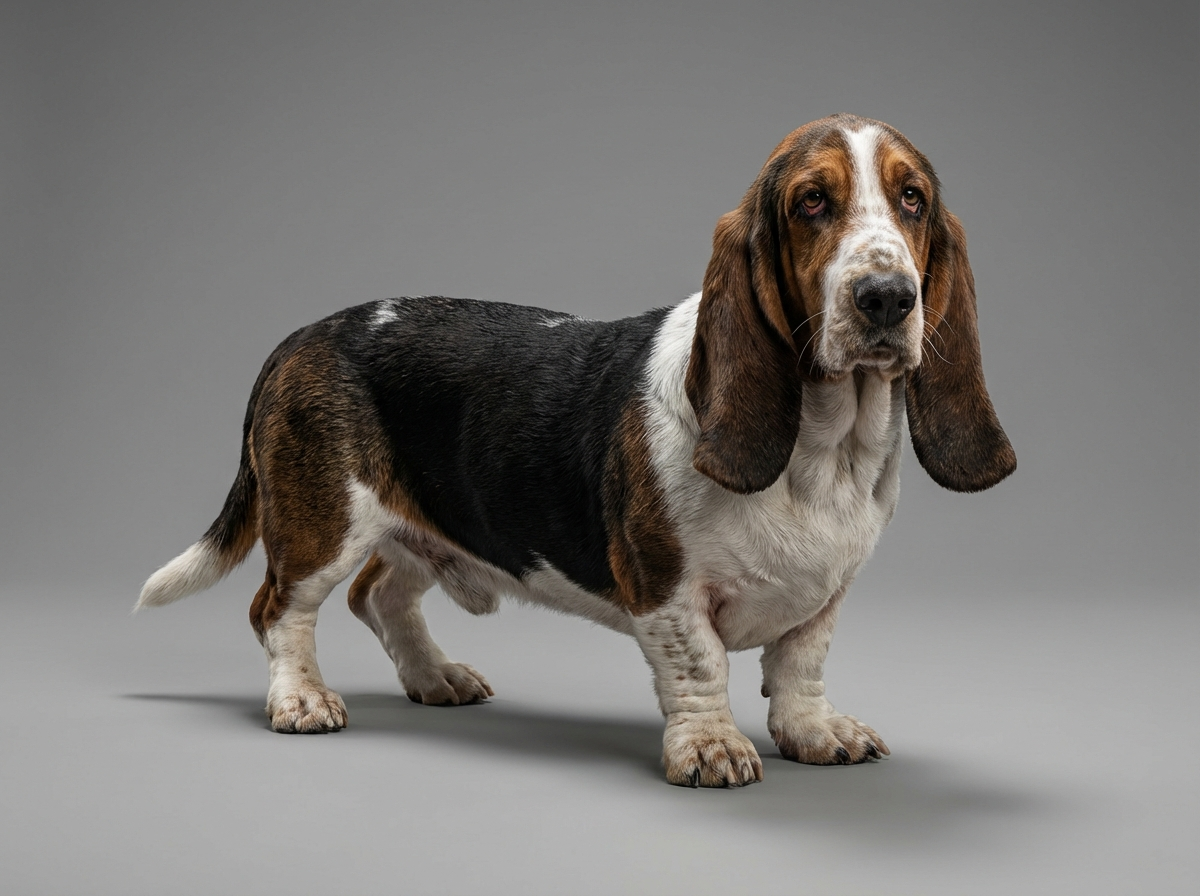
Basset Hound back problems often manifest as difficulty moving, stiffness, or reluctance to play. This issue stems from their unique body structure, characterized by a long spine and short legs. Owners may notice their Basset struggling to jump on furniture or hesitating to go up stairs, especially as they age.
Back problems are relatively common in Basset Hounds, particularly as they age or if they have not received proper care. Many owners report seeing signs of back issues by the time their dog reaches middle age.
Basset Hounds have a unique body structure with long spines and short legs. This design puts extra strain on their backs, making them more prone to injuries and conditions like intervertebral disc disease. Additionally, their stubborn nature can lead them to overexert themselves during play or exercise, worsening back issues.
Environmental factors also play a significant role in Basset Hound back problems. Lack of proper support during activities, such as jumping off furniture, can lead to injury. Additionally, being overweight can exacerbate back strain, as excess weight puts more pressure on their spines.
Consult a vet if you notice signs of pain, difficulty in movement, or any sudden behavioral changes. Early intervention is crucial to managing back problems and preventing further complications.
Avoiding these common mistakes can help improve your Basset Hound's back problems.
Start here: Basset Hound Most Common Genetic Disorders: Screening
See all Basset Hound health problems, which breeds are prone to back problems, or the full Basset Hound breed guide for temperament, exercise needs and ownership costs.
With consistent care and follow-up with your vet, you can start seeing improvements in your Basset Hound's back issues within 3 to 6 months.
Success means your Basset can move comfortably, engage in play, and has a reduced pain level, allowing for a more active lifestyle.
Samantha, a busy nurse in San Diego, adopted a Basset Hound named Charlie. Soon after bringing him home, she noticed he struggled to jump onto the couch and seemed to wince when playing. Samantha learned that Basset Hounds are prone to back problems due to their long spines. With the help of a vet, she created a training plan focused on strengthening Charlie's core muscles and limiting high-impact activities. She also bought a ramp to help him access his favorite spots without straining. Over the months, Charlie grew stronger and more playful, allowing Samantha to take him on longer walks without worry.
Key takeaway: With the right care and training, you can significantly improve your Basset Hound's quality of life, helping them stay active and happy.
Basset Hounds are prone to back problems mainly due to their long spine and short legs. This unique body structure can lead to spinal issues, especially if they jump or climb frequently. Regular vet check-ups can help monitor their spine health.
To prevent back problems in Basset Hounds, avoid letting them jump off high surfaces and encourage gentle exercises. Keeping their weight in check is also essential, as obesity can exacerbate spinal issues. Regular, low-impact activities like short walks are beneficial.
Signs of back problems in Basset Hounds include difficulty walking, reluctance to jump or play, and unusual postures. If you notice any of these symptoms, consult your veterinarian promptly for a thorough examination and advice.
Treatment options for Basset Hound back problems vary from physical therapy to medications that relieve pain and inflammation. In severe cases, surgery may be necessary. Always consult your vet to determine the best course of action.
Training can help by teaching your Basset Hound to avoid jumping and other harmful activities. Positive reinforcement methods are effective in encouraging them to stay safe. Working with a professional trainer can provide tailored strategies for your dog's needs.
If your Basset Hound is experiencing back problems, you may notice signs like difficulty getting up, reluctance to play, or yelping when touched. Changes in their walking pattern, such as wobbling or dragging their hind legs, can also indicate issues. Observing these behaviors early on can help you seek veterinary advice sooner.
Yes, older Basset Hounds are more prone to back problems due to age-related changes in their spine and joints. Conditions like degenerative disc disease can worsen over time. Regular vet check-ups are crucial to manage any developing issues effectively.
You can help your Basset Hound by providing a supportive bed and minimizing jumping or climbing to prevent strain on their back. Gentle, low-impact exercises like short walks can keep them active without overexertion. Always consult your vet for specific advice tailored to your dog's condition.
Yes, breeds with similar body structures, such as Dachshunds and Corgis, are also at risk for back problems. These breeds have long spines and short legs, making them more susceptible to spinal issues. Understanding the risks can help owners take preventative measures.
If your Basset Hound shows persistent signs of discomfort, such as whining, difficulty moving, or changes in appetite, it's time to see a vet. Early intervention can address back problems before they lead to more severe complications. Don’t wait too long if you suspect something is wrong.
Avoid high jumps, maintain a healthy weight, and engage in low-impact exercises to help prevent back issues.
Regular vet visits every 6-12 months are recommended to monitor your Basset Hound's spine and overall health.
Basset Hounds may face various health issues, including back problems, hip dysplasia, and ear infections.
Focus on short, gentle walks and play sessions to keep your Basset Hound active without straining their back.
A one-page prep sheet for this condition: the signs, the questions to ask, what to get priced. Unlocks here.
You get: Vet visit prep sheet
No spam. One-click unsubscribe. See our privacy policy.
Preview page 1 before you decide.