DogBreedCompass
← Back to breed profile

American Pit Bull Terrier Brachycephalic Obstructive Airway Syndrome (BOAS)

Brachycephalic obstructive airway syndrome (BOAS) affects American Pit Bull Terriers, causing serious breathing issues. (American Pit Bull Terrier brachycephalic obstructive airway syndrome (boas))

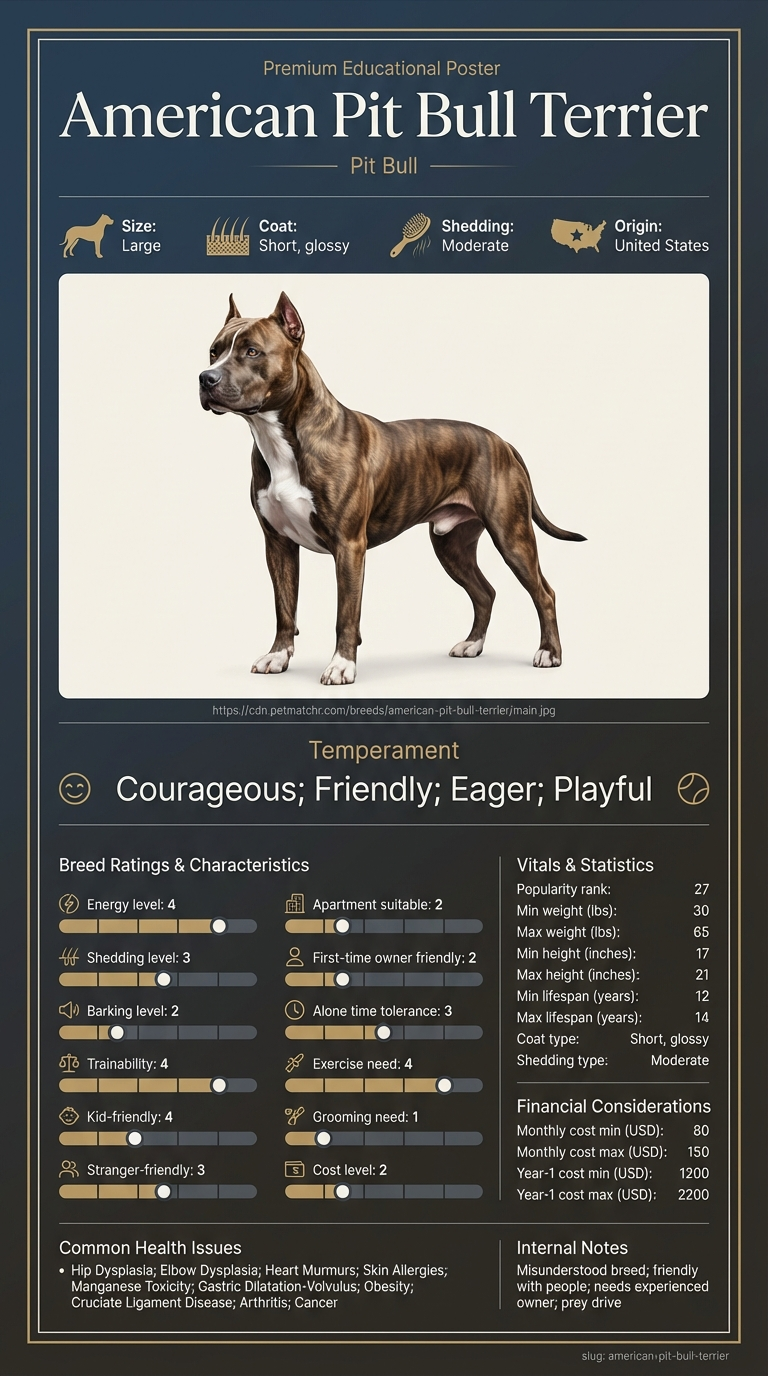
American Pit Bull Terrier Brachycephalic Obstructive Airway Syndrome (BOAS) infographic

Typically, owners of American Pit Bull Terriers may struggle with managing BOAS. This includes those who are first-time dog owners or those living in warmer climates where heat sensitivity can be a bigger concern.

Important reminder

This guide is not medical advice. If your dog shows pain, sudden behavior change, or worsening symptoms, consult a licensed veterinarian.

Some links may be affiliate links. We may earn a commission at no extra cost to you. We only suggest products we believe are helpful for dog owners.

What this problem looks like

American Pit Bull Terriers can experience brachycephalic obstructive airway syndrome (BOAS), leading to breathing difficulties. This problem can manifest as snoring, coughing, or labored breathing, especially during exercise or in hot weather. If you notice your Pit Bull struggling for air, it’s crucial to address these issues promptly.

Common triggers

  • Heat and humidity
  • Strenuous exercise
  • Obesity
  • Anxiety or stress
  • Respiratory infections

BOAS is relatively common in American Pit Bull Terriers, particularly those with shorter snouts. Awareness of this condition has increased among owners, leading to better management and care.

Why this happens

Breed factors

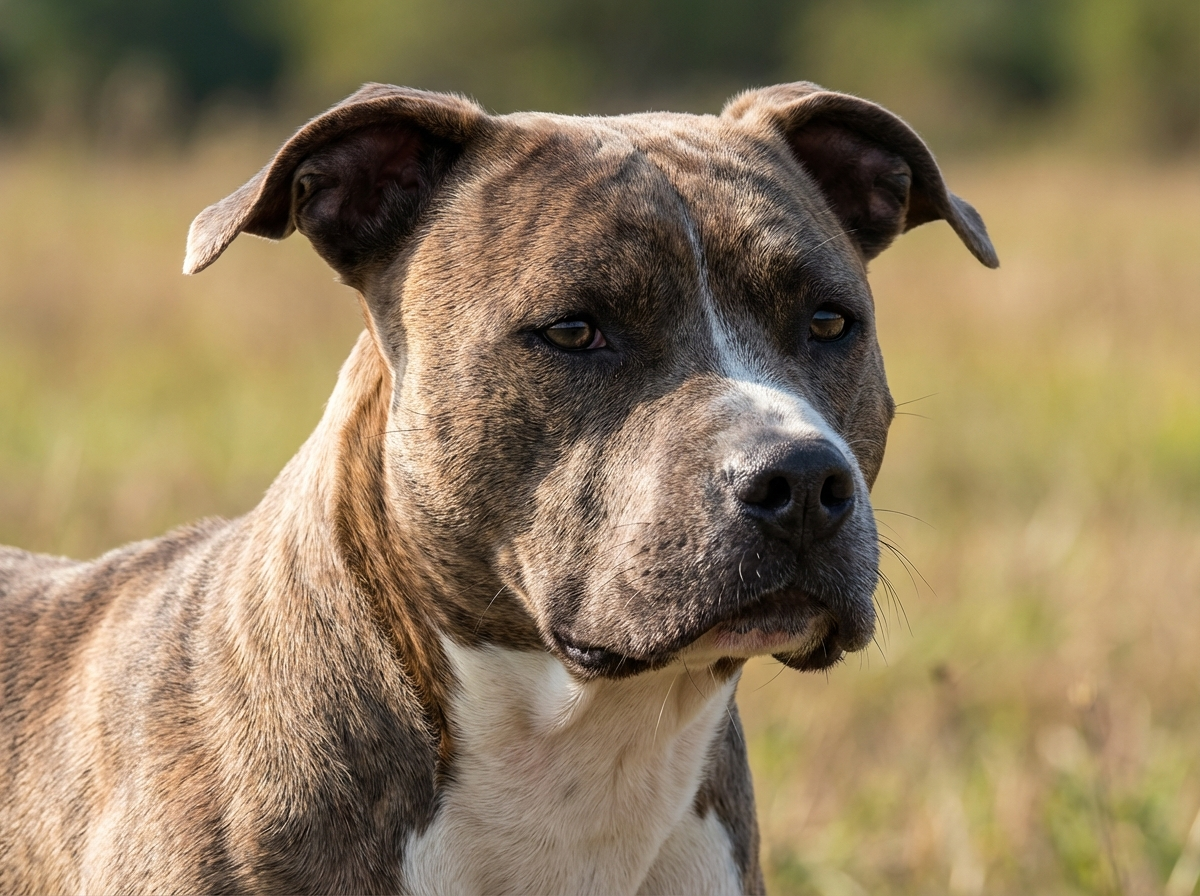
American Pit Bull Terriers can be predisposed to Brachycephalic Obstructive Airway Syndrome (BOAS) due to their physical structure. Their short snouts can lead to narrowed airways, making breathing more difficult. This breed's anatomy can contribute to snoring and breathing complications, especially during exercise or in hot weather.

Environment factors

Environmental factors can exacerbate BOAS symptoms. For example, high temperatures, excessive humidity, and strenuous exercise can make breathing even harder for your Pit Bull. Additionally, obesity can further strain their respiratory system, leading to more pronounced issues.

What you can try

At-home strategies

  • Keep your American Pit Bull cool and comfortable, especially during hot weather. Provide plenty of water and avoid strenuous activities during peak heat times.
  • Monitor your dog's weight closely. Maintaining a healthy weight can significantly reduce the risk of complications from BOAS.
  • Create a calm environment at home. Reducing stress can help ease breathing difficulties, so consider using calming techniques or tools.

When to consider a trainer

If your American Pit Bull Terrier shows persistent signs of BOAS, such as labored breathing or excessive snoring, consult a professional trainer or behaviorist. They can help with training techniques that promote relaxation and comfort for your dog in various situations.

When to talk to your vet

If you notice severe breathing issues, frequent coughing, or changes in your dog's activity level, it's crucial to speak to a veterinarian. They can assess your dog's condition and recommend treatments or interventions to improve their quality of life.

Realistic expectations

You can expect to see improvements in your American Pit Bull Terrier's breathing within a few weeks of consistent training and care adjustments. However, managing BOAS is an ongoing process that may take several months to fully address.

Success means your dog can breathe more easily during activities, shows reduced snoring at rest, and has improved tolerance to heat. You'll notice a happier, more active dog who can enjoy walks without struggling for air.

Mistakes that make this worse – American Pit Bull Terrier brachycephalic obstructive airway syndrome (boas)

Avoiding these common mistakes can help your American Pit Bull Terrier with brachycephalic obstructive airway syndrome (BOAS). Here are some behaviors to steer clear of.

  • Ignoring signs of distress: If your Pit Bull is struggling to breathe, don't dismiss it as just snoring. Pay attention to these signs and consult a vet immediately.
  • Overexerting during exercise: Pushing your dog to run or play too hard can worsen breathing issues. Instead, opt for shorter, more frequent walks in cooler weather.
  • Using a restrictive collar: Collars that put pressure on the neck can exacerbate breathing problems. Use a comfortable harness that distributes pressure evenly.
  • Not monitoring weight: Obesity can worsen BOAS symptoms. Keep your dog at a healthy weight through proper diet and regular vet check-ups.
  • Neglecting heat exposure: American Pit Bull Terriers with BOAS are sensitive to heat. Avoid exercising during hot days, and provide a cool environment indoors.
  • Failing to train calmly: Training sessions filled with stress can lead to anxiety and difficulty breathing. Use positive reinforcement and short training sessions to keep your dog relaxed.
  • Delaying vet visits: If symptoms persist, waiting too long to seek help can lead to serious complications. Regular vet check-ups are crucial for managing BOAS.

When American Pit Bull Terrier BOAS is an Emergency

Brachycephalic Obstructive Airway Syndrome (BOAS) can present serious health risks for your American Pit Bull Terrier. It's crucial to know when to call your vet immediately and when you can monitor the situation at home. Red flags include severe respiratory distress, excessive panting, or blue-tinged gums—these require urgent veterinary attention.

If your dog is struggling to breathe, has a persistent cough, or seems lethargic and unresponsive, these are also signs that warrant immediate intervention. Conversely, mild symptoms like occasional snoring or slight panting during play can usually be observed at home. Monitor these cases closely, but if they worsen or your dog's condition changes, don’t hesitate to seek help.

Always trust your instincts as an owner. If you feel something is off, it's better to err on the side of caution. After all, your furry friend's health is the top priority. Stay alert to their breathing patterns and behaviors, and keep in touch with your veterinarian for guidance on managing BOAS effectively.

American Pit Bull Terrier Brachycephalic Obstructive Airway Syndrome (BOAS) - When American Pit Bull Terrier BOAS is an Emergency

Overcoming Breathing Issues with Bella the Pit Bull

Sarah, a busy nurse in Atlanta, adopted Bella, an American Pit Bull Terrier. Soon after bringing her home, she noticed Bella snoring loudly and struggling to breathe, especially on hot days. Concerned, Sarah consulted her vet, who confirmed that Bella had brachycephalic obstructive airway syndrome (BOAS). With guidance, Sarah adjusted Bella's exercise routine, focusing on shorter, cooler walks and incorporating training exercises to improve her breathing. After a few months, Bella was much more comfortable and could enjoy longer walks without the struggle.

Key takeaway: With the right adjustments and training, you can significantly improve your American Pit Bull Terrier's quality of life if they have BOAS.
Frequently asked questions

Why does my American Pit Bull Terrier have brachycephalic obstructive airway syndrome (boas)?

Brachycephalic obstructive airway syndrome (boas) in American Pit Bull Terriers is typically due to their short muzzle structure. This breed's anatomy can lead to breathing difficulties, snoring, and heat sensitivity. Genetics plays a significant role, so if your dog has this condition, it may be inherited.

How can I stop my American Pit Bull Terrier's brachycephalic obstructive airway syndrome (boas)?

To manage your American Pit Bull Terrier's boas, keep them cool and avoid strenuous exercise, especially in warm weather. Regular vet check-ups are essential to monitor their breathing and overall health. In severe cases, surgical options may be available to improve airflow.

What are the signs of brachycephalic obstructive airway syndrome (boas) in my dog?

Signs of boas include excessive snoring, difficulty breathing, or coughing. You may also notice your dog tiring easily or struggling during play. If you observe any of these symptoms, consult your veterinarian for a thorough evaluation.

Is there special training for American Pit Bull Terriers with boas?

Training for American Pit Bull Terriers with boas should focus on gentle techniques, avoiding stress during training sessions. Incorporate short, positive training sessions to keep your dog engaged without overexerting them. Consistency and patience are key to effective training.

Can brachycephalic obstructive airway syndrome (boas) lead to other health issues?

Yes, dogs with boas may experience other health problems, such as obesity or respiratory infections. It's important to monitor your American Pit Bull Terrier's weight and overall condition to prevent complications. Regular vet visits can help catch any health issues early.

What are the signs of American Pit Bull Terrier brachycephalic obstructive airway syndrome (boas)?

Common signs include loud snoring, labored breathing, and difficulty exercising. You may also notice your dog struggling in hot weather or during playtime. If your Pit Bull shows these symptoms, it’s important to consult a vet.

Can American Pit Bull Terriers with boas live a normal life?

Yes, many American Pit Bull Terriers with brachycephalic obstructive airway syndrome (boas) can live normal, active lives. However, they may need special care, including avoiding extreme temperatures and managing their weight. Regular vet check-ups are crucial to monitor their health.

How can I help my American Pit Bull Terrier with boas during hot weather?

To help your American Pit Bull Terrier with brachycephalic obstructive airway syndrome (boas) in hot weather, keep them indoors in a cool environment. Offer plenty of water and avoid strenuous activities. A cooling vest can also be beneficial.

Is surgery a good option for American Pit Bull Terriers with boas?

Surgery can be beneficial for some American Pit Bull Terriers with brachycephalic obstructive airway syndrome (boas), especially if their symptoms are severe. Consult your veterinarian to discuss the risks and benefits, as each case is unique.

When should I seek veterinary advice for my American Pit Bull Terrier's breathing issues?

If your American Pit Bull Terrier is experiencing persistent breathing difficulties, excessive snoring, or signs of distress, it’s important to seek veterinary advice. Early intervention can help manage brachycephalic obstructive airway syndrome (boas) more effectively.

Quick answers

View more answers
Behavior

What are quick tips for managing American Pit Bull Terrier brachycephalic obstructive airway syndrome (boas)?

Keep your dog cool, avoid strenuous exercise, and watch for signs of distress. Regular vet check-ups are crucial to monitor their health.

Health

How can I help my dog breathe better?

Ensure your dog's environment is cool and avoid situations that may cause overheating. If your dog shows signs of breathing difficulties, consult a vet.

Health

What should I do if my dog is snoring excessively?

While some snoring is normal, excessive snoring could indicate a problem. Monitor your dog and consult a vet if it worsens.

Training

Are there training techniques for dogs with boas?

Focus on positive reinforcement and short training sessions to avoid overstressing your dog. Consistency is vital to effective training.

Related DogBreedCompass guides

Related guides