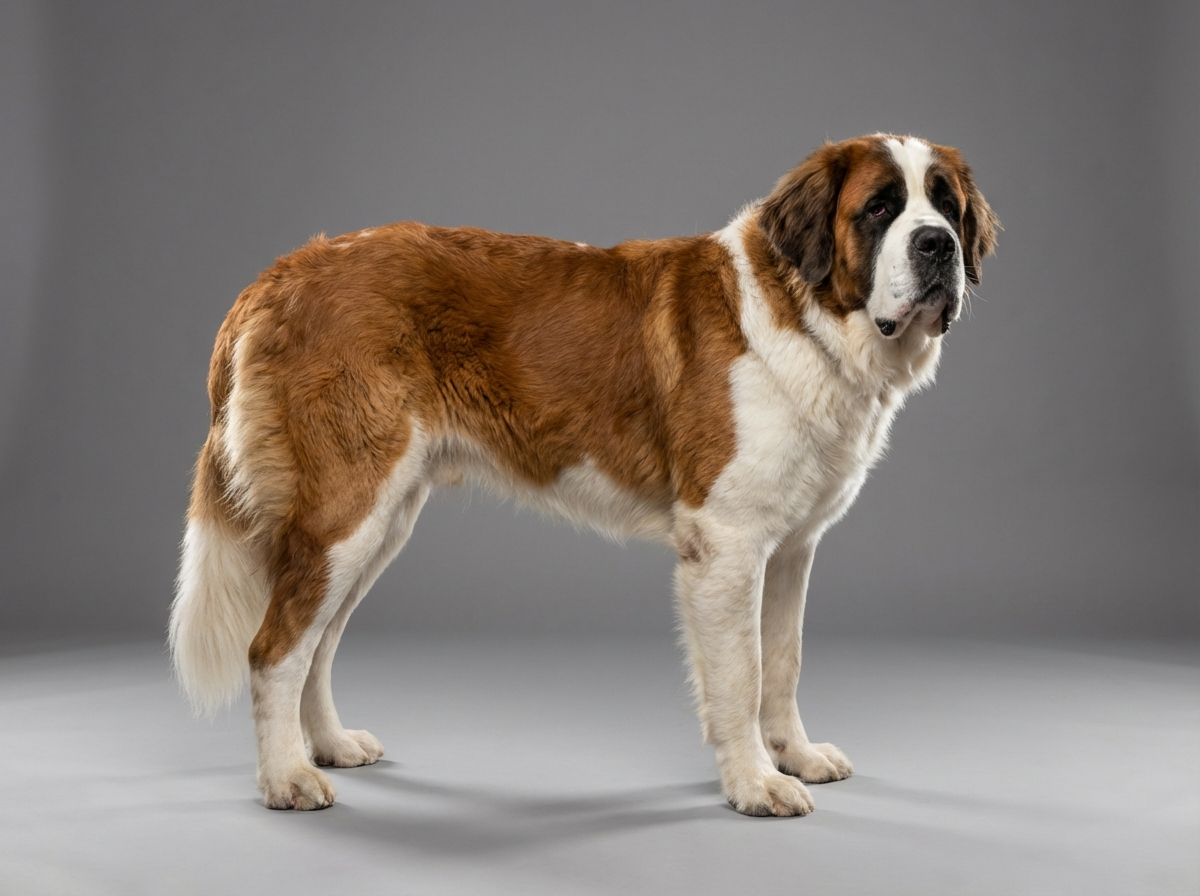
Location-Specific: Best Dogs for [State/Climate]: Location-Specific: Best Dogs for Your State or Climate
Choosing the right dog involves more than just personal preference. This guide helps you find the best dogs suited for your specific location and climate.
Understanding Location-Specific: Best Dogs for Your State or Climate – Location-Specific: Best Dogs for [State/Climate]
Choosing the right dog for your home isn't just about breed preferences; it's also about where you live. The 'Location-Specific: Best Dogs for [State/Climate]' guide is designed to help you match your environment with the ideal canine companion. Different states and climates can greatly influence a dog's happiness, health, and behavior. This guide offers insights into what breeds thrive based on your location, making your decision easier and more informed.
For instance, if you live in a hot and humid area, you may want to avoid breeds with thick fur that can struggle in the heat. Conversely, if you're in a colder climate, a dog with a dense coat may be perfect for you. Understanding these nuances can save you from potential heartache and ensure that both you and your dog enjoy your time together. By the end of this guide, you'll know what factors to consider in your specific location, from climate conditions to lifestyle needs.
This guide will dive into essential tips and considerations, such as energy levels, grooming needs, and potential health concerns of certain breeds in specific environments. Moreover, we’ll cover how to identify breeds that are adaptable and versatile, which can make them suitable for various climates. Along the way, we'll also address common questions about finding the best dog for your conditions.
Ultimately, the right dog can enhance your life and fit seamlessly into your daily routine. However, making a poor choice can lead to stress for both you and your furry friend. By understanding how your location impacts your dog's needs, you'll be better equipped to make an informed decision that benefits everyone involved.

Step-by-Step Plan to Choose Location-Specific Best Dogs
Finding the right dog for your location and climate can greatly improve your experience as a dog owner. Here’s a practical, step-by-step guide to help you make the best choice for your lifestyle and environment.
- 1. Research Your Climate: Understand the specific climate of your state. Is it hot and humid, cold and snowy, or mild year-round? This will affect which breeds thrive in your area.
- 2. Assess Your Living Situation: Consider your home size, yard space, and nearby parks. A large dog may need more room to roam, while smaller breeds may adapt well to apartments.
- 3. Identify Your Activity Level: Think about how active you are. If you enjoy running or hiking, consider breeds that require more exercise, like Retrievers or Shepherds. If you prefer a quieter lifestyle, smaller, less active breeds might be better.
- 4. Explore Breed Characteristics: Look into breeds that are known to do well in your specific location. For example, some breeds are better suited for cold weather, while others thrive in warm climates.
- 5. Consider Allergies: If you or someone in your household has allergies, look for hypoallergenic breeds that are less likely to trigger reactions.
- 6. Visit Local Shelters: Spend time at local animal shelters or rescue groups. Many dogs are looking for homes, and shelter staff can help match you with breeds suited for your climate and lifestyle.
- 7. Talk to Other Dog Owners: Connect with local dog owners in your area. They can provide insights on what breeds work best in your climate.
- 8. Consult a Vet or Trainer: A veterinarian or dog trainer can give you expert advice on breed suitability based on your lifestyle and location.
- 9. Make a Pros and Cons List: Once you narrow down your options, create a list of pros and cons for each breed. This will help clarify your decision.
- 10. Take Your Time: Don’t rush your decision. Take the time to find the right dog that fits your lifestyle and environment.
Common Mistakes When Choosing Location-Specific Dogs
Choosing the right dog breed for your location can be tricky. Many owners make mistakes that can lead to frustration and unhappiness for both them and their pets. Here are some common missteps to avoid.
- Ignoring Climate Needs: Not considering how a dog's coat and temperature tolerance fits your local climate can lead to health issues. Breeds that thrive in cold weather may struggle in hot environments, and vice versa.
- Overlooking Space Requirements: Many people underestimate how much space a dog needs. Large breeds require room to roam, while smaller breeds may be more adaptable to apartment living. Ignoring this can lead to anxiety and behavior problems.
- Neglecting Exercise Needs: Different breeds have varying exercise requirements. Choosing a low-energy dog for an active lifestyle can result in boredom and destructive behavior. Conversely, high-energy dogs need more activity than a sedentary owner can provide.
- Failing to Research Breed Temperament: Each breed has its unique personality traits. Not understanding these can lead to mismatches. For instance, a family with young kids should consider breeds known for being gentle and patient.
- Not Considering Local Regulations: Some areas have breed restrictions or regulations. Ignoring these can lead to legal troubles and heartache if you can't keep your dog. Always check local laws before committing to a breed.
- Underestimating Training Needs: Certain breeds require more training and socialization than others. Assuming that any dog will adapt easily can lead to behavioral issues down the line.
- Being Influenced by Trends: Picking a breed based on popularity or trends can backfire. What works for one owner may not suit another's lifestyle. Always prioritize your individual circumstances over current fads.
Debunking Myths About Location-Specific Best Dogs
There are many myths surrounding the idea of choosing the best dogs based on location and climate. Let's explore some common misconceptions and the facts that debunk them.
- Myth: Any dog can adapt to any climate.
- Fact: Different breeds have specific needs based on temperature, humidity, and environment. For example, Huskies thrive in cold climates, while Chihuahuas struggle in the heat.
- Myth: Size doesn't matter when choosing a dog for an apartment.
- Fact: Smaller dogs often handle apartment living better due to space constraints. Larger breeds may need more room to roam, which can be challenging in tight quarters.
- Myth: All dogs require the same amount of exercise, regardless of location.
- Fact: Breeds vary in their exercise needs. Active breeds like Border Collies need daily vigorous activity, while others may be fine with shorter walks, especially in hot or humid areas.
- Myth: The dog breed you grew up with will work for you now.
- Fact: Your lifestyle, work schedule, and living situation may have changed. A breed that fit your childhood home may not suit your current environment or needs.
- Myth: All dogs can handle extreme weather without issues.
- Fact: Some breeds are more susceptible to heat stroke or cold weather injuries. It's essential to choose a breed that can thrive in your specific climate.
Advanced Tips for Choosing Location-Specific Dogs
Here are some advanced strategies to help you select the right dog for your specific location and climate. These tips go beyond the basics and focus on practical aspects of dog ownership in varying environments.
- Consider Seasonal Adaptability: Some breeds handle extreme temperatures better than others. Research how different breeds cope with heat or cold, and choose one that can thrive in your climate throughout the year.
- Evaluate Your Lifestyle: Your daily routine can affect which dog is best for you. If you lead an active lifestyle, breeds that require more exercise are ideal. Conversely, if you have a sedentary lifestyle, opt for breeds that are more low-key.
- Research Local Laws and Regulations: Different states and cities have specific regulations regarding dog breeds. Be sure to understand any restrictions that may apply in your area before making a commitment.
- Think About Your Home Environment: The size of your living space, whether it's an apartment or a house with a yard, will influence your choice. Some breeds need more space, while others adapt well to smaller areas.
- Get Involved with Local Dog Communities: Engaging with dog owners in your area can provide insights into breed performance in your specific climate. They can share valuable experiences and tips that can guide your decision.
Insider Secrets for Choosing Location-Specific Dogs
Finding the best dog for your specific location or climate involves more than just picking a breed you like. Here are some insider tips to guide your decision.
- Consider the seasonal extremes in your area. Some breeds can thrive in specific climates but struggle in others. For example, a Siberian Husky might love the cold but could be uncomfortable in hot weather.
- Look into local regulations and breed restrictions. Some areas have specific laws that might restrict certain breeds, so it's crucial to do your homework before falling in love with a pup.
- Think about the lifestyle and activity level that your chosen dog will need. If you live in a city with limited outdoor space, a smaller, less active breed might be a better fit than a high-energy one that needs lots of room to run.
- Evaluate your home environment. Dogs that are sensitive to noise might not be the best choice in a bustling neighborhood, while those that need a secure yard may struggle in an apartment setting.
- Consult with local dog trainers or shelters. They often have insights into which breeds adapt best to the local environment and can help match you with the right dog.
Checklist for Choosing Location-Specific Best Dogs for Your State/Climate
Use this checklist to find the best dog for your specific location and climate. Consider each factor carefully to ensure a good match.
- Assess your climate: Know if your area is hot, cold, humid, or dry.
- Research dog breeds: Look into breeds that thrive in your climate conditions.
- Check local laws: Make sure your chosen breed is allowed in your area or community.
- Evaluate your lifestyle: Consider how active you are and how much time you can dedicate to a dog.
- Consider size and space: Ensure you have enough room for your dog, especially if they will be large.
- Think about maintenance: Some breeds require more grooming and care than others.
- Look into health concerns: Be aware of breed-specific health problems that may arise in your climate.
- Plan for exercise needs: Different breeds have varying exercise requirements based on energy levels.
- Ask local pet owners: Get insights from people in your area about breeds that work well.
- Consult a vet: Talk to a veterinarian about the best breeds for your climate and lifestyle.
Frequently asked questions
What do I need to know about location specific best dogs for my state or climate?
When choosing a dog for your specific location, consider climate, space, and lifestyle. Some breeds thrive in hot weather, while others prefer cooler temperatures. Additionally, urban or rural living can impact your dog's exercise needs and behavior. This answer relates to Location-Specific: Best Dogs for [State/Climate].
Is location specific best dogs for state or climate good for beginners?
Yes, understanding location-specific dog breeds can be very helpful for beginners. It helps new dog owners choose breeds that match their living conditions and personal lifestyle. This can lead to a more successful and enjoyable ownership experience.
How does location specific best dogs for state or climate work?
Location-specific dog recommendations work by matching breeds to environmental factors like climate and living space. For example, a large, energetic breed may not be suitable for a small apartment in a hot climate. Researching these factors can guide you to the best fit for your situation.
What are some tips for choosing location-specific best dogs?
Start by assessing your local climate and living conditions. Consider energy levels and grooming needs, as some breeds may require more maintenance. Lastly, ask local veterinarians or shelters for recommendations based on successful placements in your area.
Can I find location-specific best dogs for my family?
Absolutely! Families should focus on breeds that are known for being friendly and adaptable. Consider factors like size, temperament, and exercise needs to ensure a good match for both your family's lifestyle and your local environment.
What factors should I consider when choosing a dog for my location?
Consider the climate, space available, and local regulations. Some breeds do better in hot or cold weather, while others thrive in apartments versus houses. It's also important to check for breed restrictions in your area.
Are there dog breeds that are better suited for families in specific climates?
Yes, certain breeds adapt better to specific climates. For example, breeds like the Siberian Husky are better for colder climates, while breeds like the Chihuahua thrive in warmer areas. Researching breed characteristics can help you choose the right fit for your family.
How does living in a city affect my choice of dog breed?
City living often means smaller spaces and less access to outdoor areas. Breeds that are more adaptable to smaller living situations, like the French Bulldog or Pug, may be better choices. It's also essential to consider how much exercise they will need.
Can I still adopt a dog that isn't typically recommended for my climate?
You can, but you'll need to take special care. For instance, if you adopt a breed that struggles in heat, like a Bulldog, ensure they have air conditioning and limit outdoor time during hot weather. Always prioritize their health and comfort.
What are some common mistakes people make when choosing a dog for their location?
A common mistake is not considering the breed's energy level and exercise needs based on your location. Additionally, failing to research local regulations and breed restrictions can lead to issues later. Always do your homework before making a decision.
Is it possible to train a dog to adapt to a new environment?
Yes, dogs can often be trained to adapt to new environments, but it takes time and patience. Consistent training and gradual exposure to new surroundings can help your dog adjust. However, some breeds are naturally more adaptable than others.