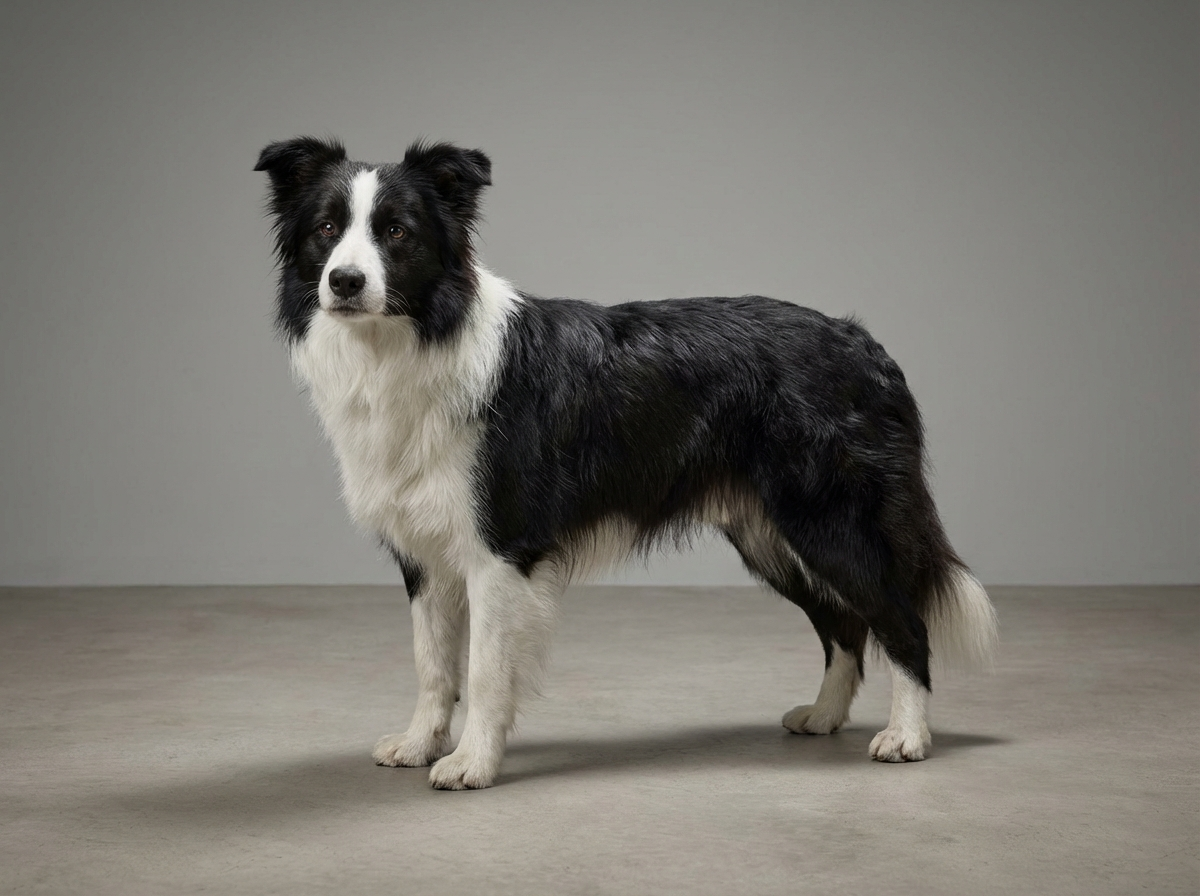
Top Dogs That Handle Long Work Hours for Busy Owners
Are you a busy professional struggling to find a dog that can handle long work hours? This guide will help you choose the best breeds that thrive in independence and low-maintenance living.
Understanding Dogs That Handle Long Work Hours
Finding dogs that handle long work hours is essential for busy owners. If you work long hours, it’s crucial to choose a breed that can thrive on its own. This guide will help you discover the best independent pets suited for workers, ensuring your dog remains happy and healthy while you’re away.
Why Choosing the Right Dog Matters
Selecting a dog that can manage long periods alone is vital for both your lifestyle and the dog's well-being. A breed that can cope with solitude will likely experience less anxiety and be more content, leading to a happier home environment. On the other hand, a dog that craves constant attention may develop behavioral issues if left alone for too long, causing stress for both you and your pet.
What to Look for in Independent Pets
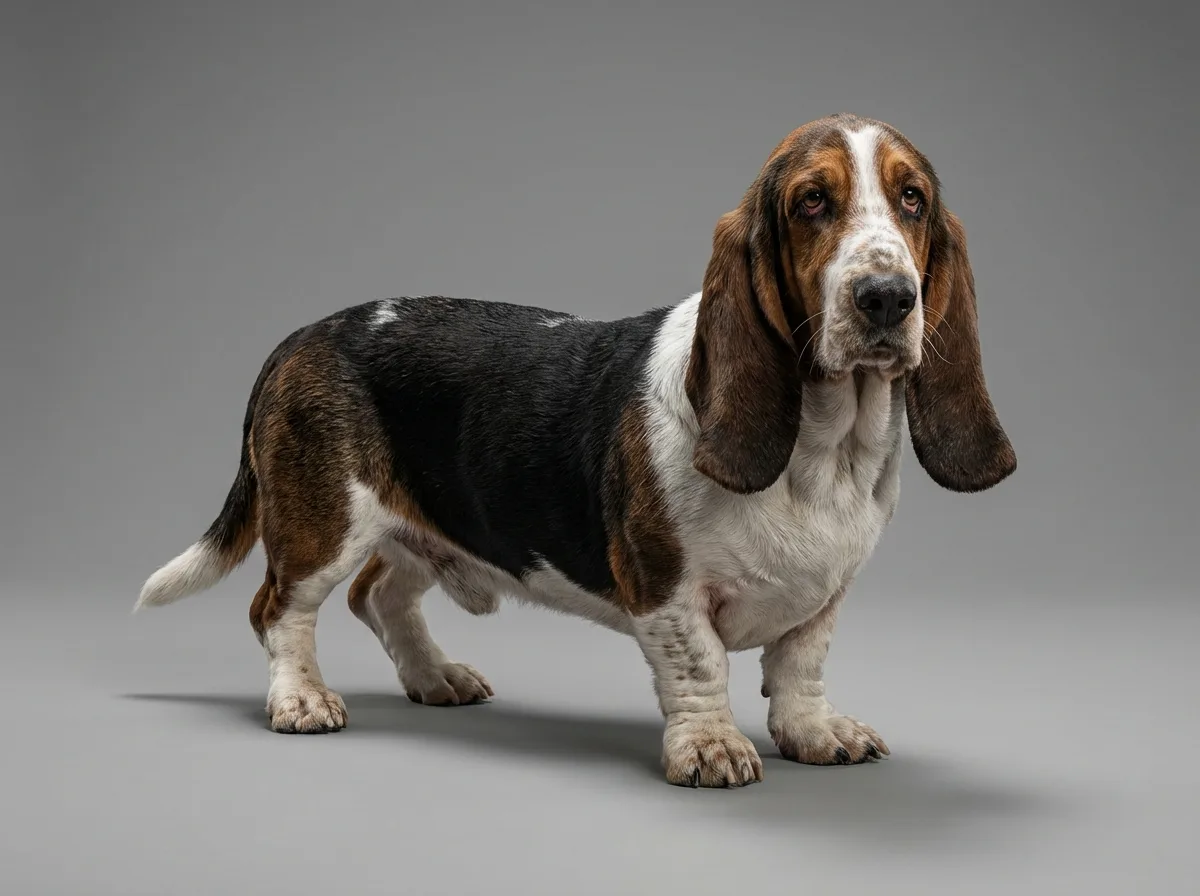
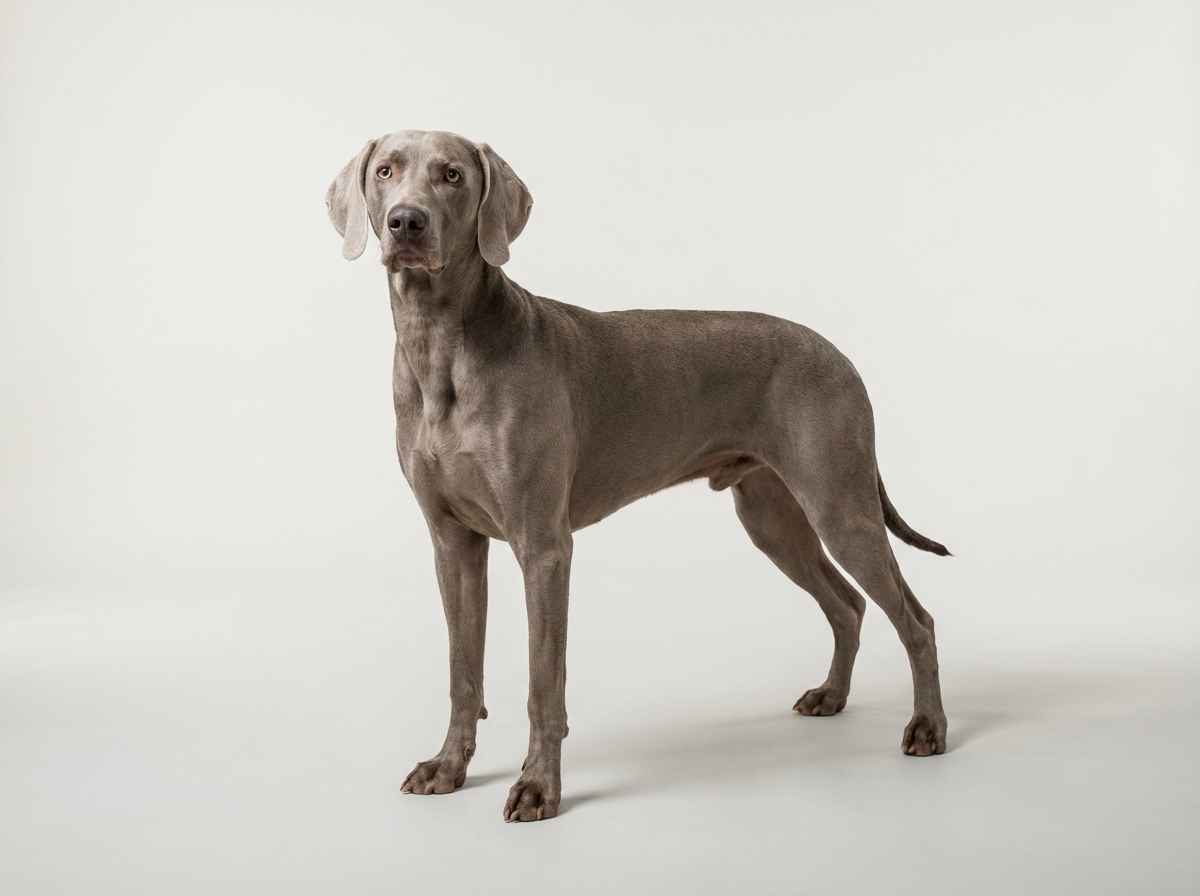
When searching for dogs that handle long work hours, consider breeds known for their patience and independence. Look for characteristics such as low exercise needs and the ability to entertain themselves. Some breeds, like Basset Hounds and Greyhounds, are known for being laid-back and comfortable with their own company. They require less stimulation and can adapt well to a quieter home life.
How to Keep Your Dog Happy Alone
To ensure your dog remains content during your work hours, it's important to provide enrichment. This can include puzzle toys, safe chew items, and even dog walking services to break up their day. Establishing a routine can also help your dog feel secure. Consider hiring a dog walker or using interactive toys to keep them engaged while you’re away.
Final Thoughts
Choosing a dog that can handle long work hours is a significant decision. By understanding what breeds are best suited for this lifestyle, you can ensure a harmonious life for both you and your furry friend. Remember, the right preparation and resources can make a big difference in your dog's happiness.
Step-by-Step Plan for Choosing Dogs that Handle Long Work Hours
Finding the right dog for your busy lifestyle involves careful consideration. Follow these steps to select a breed that can thrive even when left alone for extended periods.
- Step 1: Assess Your Schedule
- Step 2: Research Independent Breeds
- Step 3: Evaluate Space and Environment
- Step 4: Consider Dog Age and Temperament
- Step 5: Plan for Exercise and Stimulation
- Step 6: Explore Professional Help
- Step 7: Prepare Your Home
Detailed Steps
Here’s how to navigate each step effectively.
Step 1: Assess Your Schedule
Consider how many hours you will be away from home daily. This helps you understand your dog's needs. If you work long hours, aim for breeds known for independence.
Step 2: Research Independent Breeds
Look into breeds that are known to handle being alone well. Breeds like Basset Hounds and Greyhounds are often more adaptable to longer periods without companionship. Make a list of breeds that fit this criterion.
Step 3: Evaluate Space and Environment
Consider your living situation. Dogs need space to move and play. If you live in a small apartment, look for low-needs dogs that are comfortable in smaller areas.
Step 4: Consider Dog Age and Temperament
You might prefer a puppy, but older dogs can be calmer and more independent. Assess the temperaments of the breeds you like. Patient breeds are often best for busy owners.
Step 5: Plan for Exercise and Stimulation
Make a schedule for walks and playtime. Dogs that handle long work hours still need exercise. Set aside time each day for activities to keep your dog happy and healthy.
Step 6: Explore Professional Help
Consider dog walking services or pet sitters for days when you work longer hours. This can help alleviate boredom and separation anxiety in your dog.
Step 7: Prepare Your Home
Create a comfortable space for your dog with toys and a cozy bed. This can help your dog feel secure when you’re away. Enrichment tools can also be beneficial.
Common Mistakes When Choosing Dogs That Handle Long Work Hours
When selecting a dog that can tolerate long hours alone, many owners make critical mistakes. These can lead to stress for both the pet and the owner, as well as behavioral issues down the line.
- Choosing a breed without understanding its needs
- Underestimating the importance of training
- Ignoring mental stimulation requirements
- Failing to create a comfortable environment
- Not considering the dog's age and energy level
- Neglecting socialization opportunities
- Assuming all dogs are independent
Common Myths About Dogs That Handle Long Work Hours
Many people have misconceptions about dogs that can manage long work hours. Let's debunk some of the most common myths and clarify the reality.
- Myth: All dogs can be left alone for long hours. Fact: While some breeds can tolerate this, most dogs thrive on companionship and need regular human interaction to avoid anxiety and behavioral issues.
- Myth: Independent breeds don't need any attention. Fact: Even independent dogs, like Greyhounds, require social interaction and mental stimulation to stay happy and healthy.
- Myth: Dogs that handle long hours are low-energy. Fact: Many patient breeds can be active and playful, needing adequate exercise even if they can be alone for longer periods.
- Myth: Any dog can adapt to their owner's schedule. Fact: Every dog is different; some may struggle with being alone for extended periods, leading to stress or destructive behavior.
- Myth: Dogs that are fine alone don’t need training. Fact: Proper training is essential for all dogs to help them manage alone time effectively and develop good habits.
Advanced Tips for Choosing Dogs That Handle Long Work Hours
Finding a dog that can manage long work hours while you're away is a challenge. However, there are advanced strategies to ensure a happy and healthy pet. Here are some tips to help you choose and care for your independent companion.
Insider Secrets for Dogs That Handle Long Work Hours
Finding the right dog that can thrive while you're at work is essential. Here are some insider secrets to consider when choosing a dog that can handle long hours alone.
- Consider temperament over breed. While certain breeds like Basset Hounds or Greyhounds may be known for their low energy, individual temperament can vary widely. A calm dog of any breed might be a better fit than an energetic one, regardless of their classification.
- Invest in quality toys and puzzles. Toys that challenge your dog mentally can keep them busy for hours. Look for interactive toys that dispense treats or require problem-solving, which can help reduce boredom.
- Hire a dog walker or use doggy daycare services. Even a short walk or play session during your workday can break up their time alone and provide essential social interaction.
- Create a cozy space for your dog. A comfortable bed in a quiet area of your home can help your dog feel secure while you’re away. Adding a piece of your clothing can also provide comfort and reduce anxiety.
- Train for independence early. Start with short periods of alone time and gradually increase the duration. This helps your dog learn that being alone is okay, reducing the risk of separation anxiety.
Checklist for Choosing Dogs That Handle Long Work Hours
Use this checklist to find the right dog that can adapt to long work hours while you're away. It's important to consider each factor to ensure a happy and healthy pet.
- Assess Your Schedule: Determine how many hours you'll be away each day.
- Choose Independent Breeds: Look for breeds known for being independent, like Greyhounds or Shar-Peis.
- Consider Patient Temperament: Select dogs with a calm demeanor that can handle alone time.
- Evaluate Energy Levels: Opt for low-energy dogs that are less likely to get bored or anxious.
- Plan for Enrichment: Invest in toys and activities that can keep your dog entertained while you're gone.
- Explore Dog Walking Services: Consider hiring a dog walker for midday breaks to reduce loneliness.
- Get to Know the Breed: Research specific needs and traits of breeds you're considering.
Frequently asked questions
What are the best dogs that handle long work hours?
Some of the best dogs for long work hours include breeds like the Basset Hound, Greyhound, and Shar Pei. These breeds are known for their independence and adaptability, making them suitable for owners who work long shifts. However, every dog needs companionship, so consider their individual needs.
How can I prepare my dog for being home alone during work hours?
To prepare your dog for being home alone, start by gradually increasing the time they spend alone. Provide engaging toys, puzzle feeders, or interactive games to keep them occupied. Additionally, consider dog walking services or hiring a pet sitter to break up their day.
What enrichment activities are good for home alone dogs?
Enrichment activities for home alone dogs can include interactive toys that dispense treats, scent games, and chew toys. You might also leave a radio or TV on to provide background noise. Rotating toys regularly can keep them interested and engaged.
Are there any specific breeds that are better for workers?
Yes, some breeds are particularly well-suited for workers. Independent breeds like the Greyhound and Shar Pei can manage longer hours alone better than others. Look for patient breeds that are known for being low maintenance and adaptable to your lifestyle.
What are low needs dogs, and why are they good for busy owners?
Low needs dogs typically require less exercise and attention, making them ideal for busy owners. Breeds such as Basset Hounds often prefer lounging and are content with minimal activity. These dogs can be a great fit if you have long work hours but still want a canine companion.
What are the best dogs for people who work long hours?
Some of the best dogs that handle long work hours include breeds like Basset Hounds, Greyhounds, and Shar-Peis. These breeds are known for their independence and relatively low exercise needs, making them suitable for busy owners. However, it's essential to ensure they receive sufficient mental stimulation while you're away.
How can I help my dog adjust to long hours alone?
To help your dog adjust to long hours alone, consider creating a comfortable space with their favorite toys and a cozy bed. Slowly acclimate them to being alone by starting with short intervals and gradually increasing the time. Providing enrichment activities, like puzzle toys, can keep them engaged while you're away.
Are there any specific training tips for dogs that are left alone for long periods?
Yes, training is crucial for dogs that stay alone for extended periods. Start with basic commands and gradually introduce longer durations of alone time during training sessions. Reward them for calm behavior when you leave and return to reinforce positive associations with your departures.
What should I consider when choosing a dog for my work schedule?
When choosing a dog for your work schedule, consider their energy level, independence, and exercise needs. Look for breeds known for being low maintenance and patient, as they are more likely to adapt to your lifestyle. Also, think about your living situation and whether you can provide adequate care and attention.
Can dog walking services help my dog during long work hours?
Yes, dog walking services can be a great solution for dogs that handle long work hours. Hiring a dog walker can provide your pet with necessary exercise and companionship during the day. This can help reduce anxiety and boredom, making it easier for them to cope with your absence.
What are some enrichment activities for home-alone dogs?
Enrichment activities for home-alone dogs can include interactive toys, chew items, and treat puzzles. You can also rotate their toys regularly to keep them interested. Additionally, leaving a TV or radio on can provide comforting background noise and help alleviate loneliness.
What if my dog shows signs of separation anxiety?
If your dog shows signs of separation anxiety, it's important to address it promptly. Techniques like gradual desensitization, crate training, and providing comfort items can help. Consulting with a veterinarian or a dog behaviorist can also offer tailored strategies to manage and reduce anxiety.