Guide

Best Dog That Doesn't Need Much Exercise

If you're looking for a furry friend that enjoys lounging as much as you do, this guide will help you find the best dog that doesn't need much exercise. Discover low-energy breeds that are perfect for a cozy lifestyle!

Finding the Best Dog That Doesn't Need Much Exercise

Choosing the best dog that doesn't need much exercise is crucial for many potential pet owners. Not everyone has the time or energy to engage in long walks or vigorous play sessions. If you're a busy professional, a retiree, or someone who simply enjoys a relaxed lifestyle, finding a dog that fits your energy level can lead to a happier home for both you and your pet. Low energy dogs, sometimes referred to as couch potato breeds, are perfect companions for those who prefer a quieter life at home.

Understanding the characteristics of lazy dogs or low exercise dogs is essential. These breeds tend to be more adaptable to indoor living and often require less exercise than their more energetic counterparts. This makes them ideal for apartment living or for those who may not be able to commit to regular outdoor activities. It's not just about finding a dog that will lounge around; it's about ensuring that the breed you choose aligns with your lifestyle, ensuring both you and your dog are content.

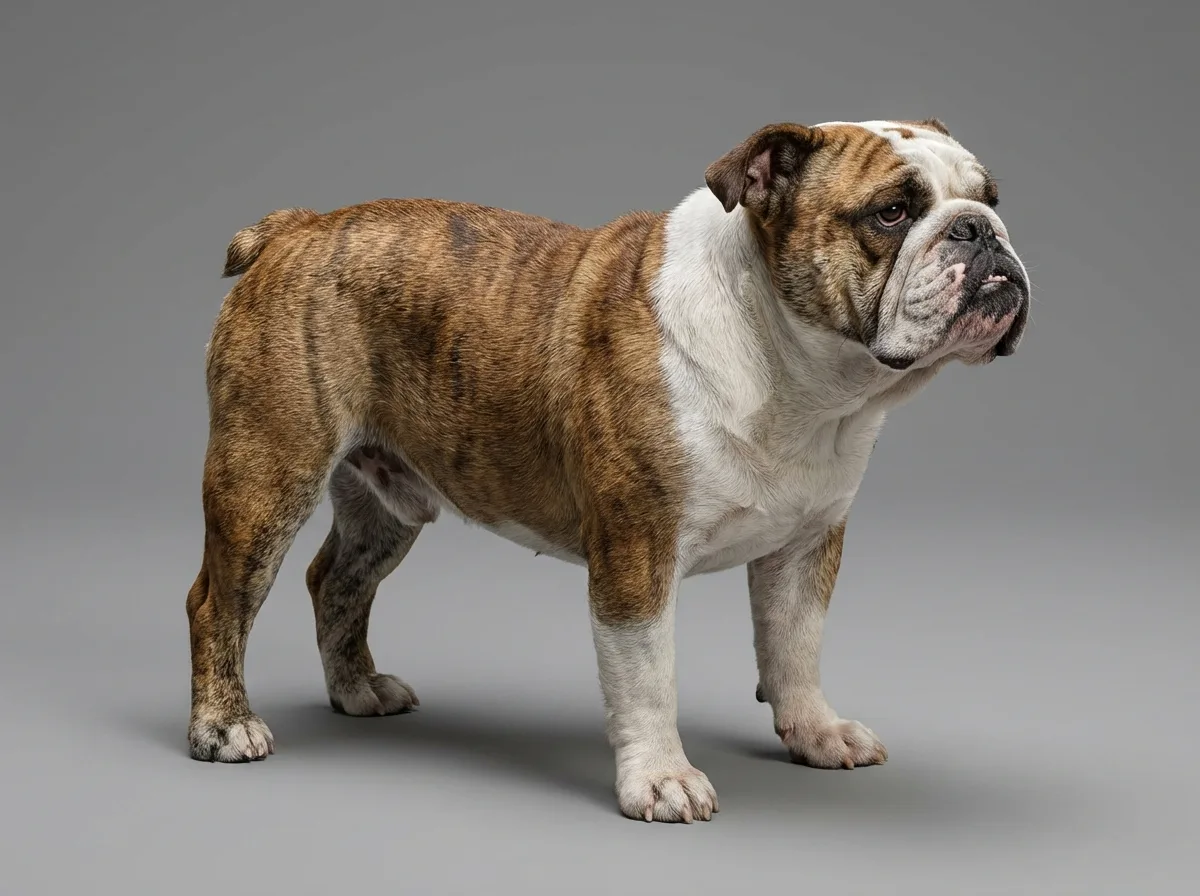
When considering a dog, think about your daily routine. Do you often find yourself too busy to spend hours outdoors? Or perhaps you prefer cozy evenings on the couch over energetic outings? If so, you’re likely looking for an indoor pet that prefers a more laid-back existence. Many breeds, like bulldogs, pugs, and pekingese, fall into the category of low-energy dogs. Understanding their needs and traits can help you make an informed decision and avoid potential issues down the line.

In addition, it's important to know that all dogs still require some level of care and interaction. While lazy breeds may not need intensive exercise, they still benefit from mental stimulation and social interaction. Engaging them in short play sessions or providing puzzle toys can keep them happy and healthy. This balance is key to ensuring that your pet thrives in your home environment.

In this guide, we will explore various breeds that fit the criteria of being the best dogs that don’t need much exercise. We’ll also discuss their care needs, the benefits of choosing a lower-energy dog, and tips for making the most of your time together. By the end of this guide, you’ll be equipped with the knowledge to confidently choose a furry friend that matches your lifestyle, ensuring a fulfilling companionship for years to come.

Step-by-Step Plan to Find the Best Dog That Doesn't Need Much Exercise

Finding the best dog that doesn't need much exercise can be a rewarding journey. Follow these practical steps to ensure you choose the right breed for your lifestyle.

Common Mistakes When Choosing the Best Dog That Doesn't Need Much Exercise

Choosing a dog that fits your lifestyle is crucial, especially if you prefer a companion that doesn’t require much exercise. However, many owners make mistakes that can lead to frustration. Here are some common pitfalls to avoid.

Common Myths About Low Energy Dogs

There are many misconceptions about low energy dogs. Let's debunk some of the most common myths and reveal the facts behind them. Understanding these can help you make better choices when looking for the best dog that doesn't need much exercise.

Advanced Tips for Choosing the Best Dog That Doesn't Need Much Exercise

If you're looking for the best dog that doesn't need much exercise, consider these advanced tips to ensure a perfect match for your lifestyle. First, evaluate your living environment. Dogs that require less exercise often do better in smaller spaces, so think about how much room you have. Additionally, consider the dog's temperament. Low energy does not always mean low maintenance. Some lazy dogs may still require mental stimulation to avoid boredom and destructive behavior.

Next, think about breed-specific traits. For example, bulldogs are known for their laid-back nature, but they can be prone to certain health issues. Make sure to research thoroughly to find a breed that fits your needs without compromising health. Also, consider adopting an older dog. Many adult dogs are more settled and require less exercise compared to puppies, making them ideal for those who prefer a couch potato companion.

Lastly, be proactive about training. Even low-energy dogs benefit from basic obedience training, which can enhance their overall behavior and make them more enjoyable to be around. A well-trained dog will adapt better to a relaxed lifestyle while still being able to engage in fun activities when the mood strikes.

By considering these factors, you can confidently choose a dog that suits your low-exercise lifestyle while ensuring their happiness and well-being.

Insider Secrets for Choosing the Best Dog That Doesn't Need Much Exercise

Finding the best dog that doesn't need much exercise can be a challenge. Here are some insider secrets to help you make the right choice for a laid-back companion. These tips will guide you toward low-energy dogs that fit perfectly into your lifestyle.

Checklist for Choosing the Best Dog That Doesn't Need Much Exercise

Use this checklist to find the perfect low-energy companion for your lifestyle. These points will help you assess your needs and choose a dog that fits your lifestyle.

Frequently asked questions

What is the best dog that doesn't need much exercise?

Some of the best dogs that don't require much exercise include Bulldogs, Pugs, and Pekingese. These breeds are known for their low energy levels and adaptability to indoor living. They can be great companions for people who prefer a more relaxed lifestyle.

Are there dogs for lazy owners?

Yes, there are several dog breeds that fit well with lazy owners. Breeds like the French Bulldog and Basset Hound enjoy lounging and don’t demand a lot of active playtime. They can be perfect for someone who prefers to spend time relaxing at home.

Can I have a dog if I don't walk much?

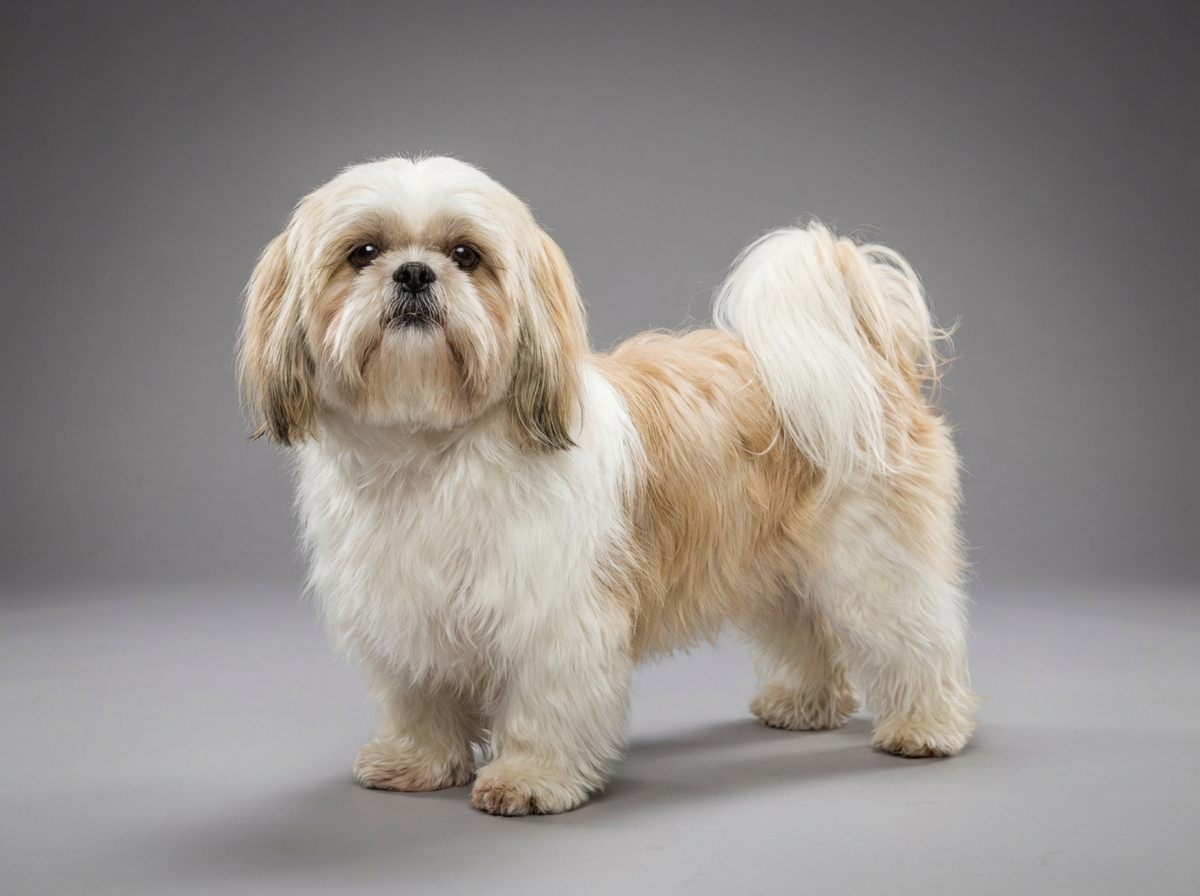
Absolutely! You can definitely have a dog even if you don't walk much. Look for low energy dogs that are content with short play sessions and indoor activities. Breeds like the Shih Tzu or Cavalier King Charles Spaniel can thrive in a less active environment.

What is the lowest energy dog breed?

Some of the lowest energy dog breeds include the Bulldog, Basset Hound, and the Pekingese. These breeds are typically more relaxed and require less exercise compared to others. They enjoy short walks but are generally happy to cuddle on the couch.

What are lazy dogs that make good indoor pets?

Lazy dogs that make excellent indoor pets include breeds like the Pug, Cavalier King Charles Spaniel, and the Shih Tzu. These dogs are usually content to relax and enjoy their time indoors, making them suitable for apartment living or homes with limited outdoor space.

What are some signs that a dog is low energy?

Low energy dogs often prefer lounging over activity. They may nap frequently, show little interest in outdoor play, and enjoy cuddling on the couch. These breeds typically have a relaxed demeanor and are content with minimal exercise.

Are there specific breeds known as couch potato dogs?

Yes! Breeds like Bulldogs, Pugs, and Pekingese are commonly recognized as couch potato dogs. These breeds thrive in a relaxed environment and usually require less exercise compared to more active breeds.

Can I have a dog if I don't walk much?

Absolutely! If you're not a fan of long walks, consider adopting low energy dogs. Breeds that don't require much exercise can be perfect companions for people who prefer a more laid-back lifestyle, provided they still get basic care and attention.

What is the lowest energy dog breed?

The Bulldog is often considered one of the lowest energy dog breeds. They enjoy short walks but are generally happy to lounge around the house. This makes them an excellent choice for those looking for a relaxed pet.

How much exercise do lazy dogs actually need?

Lazy dogs typically need about 30 minutes of light exercise each day. This can be a short walk or some playtime indoors. It's important to remember that even low energy dogs need some activity to stay healthy.

Are indoor pets suitable for small apartments?

Yes, many low energy dogs make great indoor pets for small apartments. Breeds like Pugs and Pekingese adapt well to smaller living spaces and don’t require extensive outdoor time. Just ensure they have enough room to move around comfortably.

Can low energy dogs be trained easily?

Yes, many low energy dogs can be trained effectively, though their motivation might differ. Positive reinforcement works well, and keeping training sessions short can help maintain their interest. Remember, patience is key with any dog!