Living
What is the energy level of a Bernese Mountain Dog?
The Bernese Mountain Dog has a moderate energy level, requiring regular exercise.

Quick answer
What is the energy level of a Bernese Mountain Dog?
The Bernese Mountain Dog has a moderate energy level, requiring regular exercise.
Are you torn between a Bernese Mountain Dog and a Havanese? Each breed offers unique traits that cater to different lifestyles and preferences.
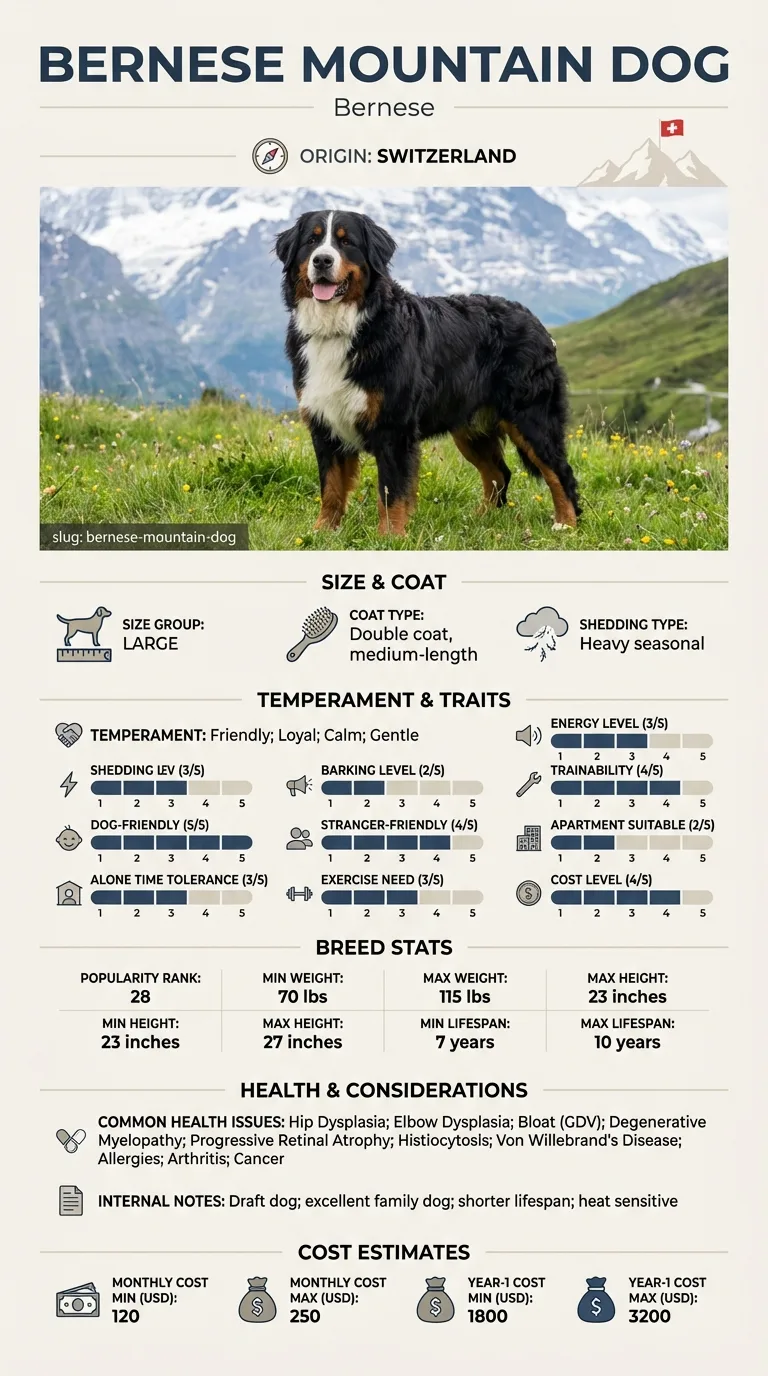
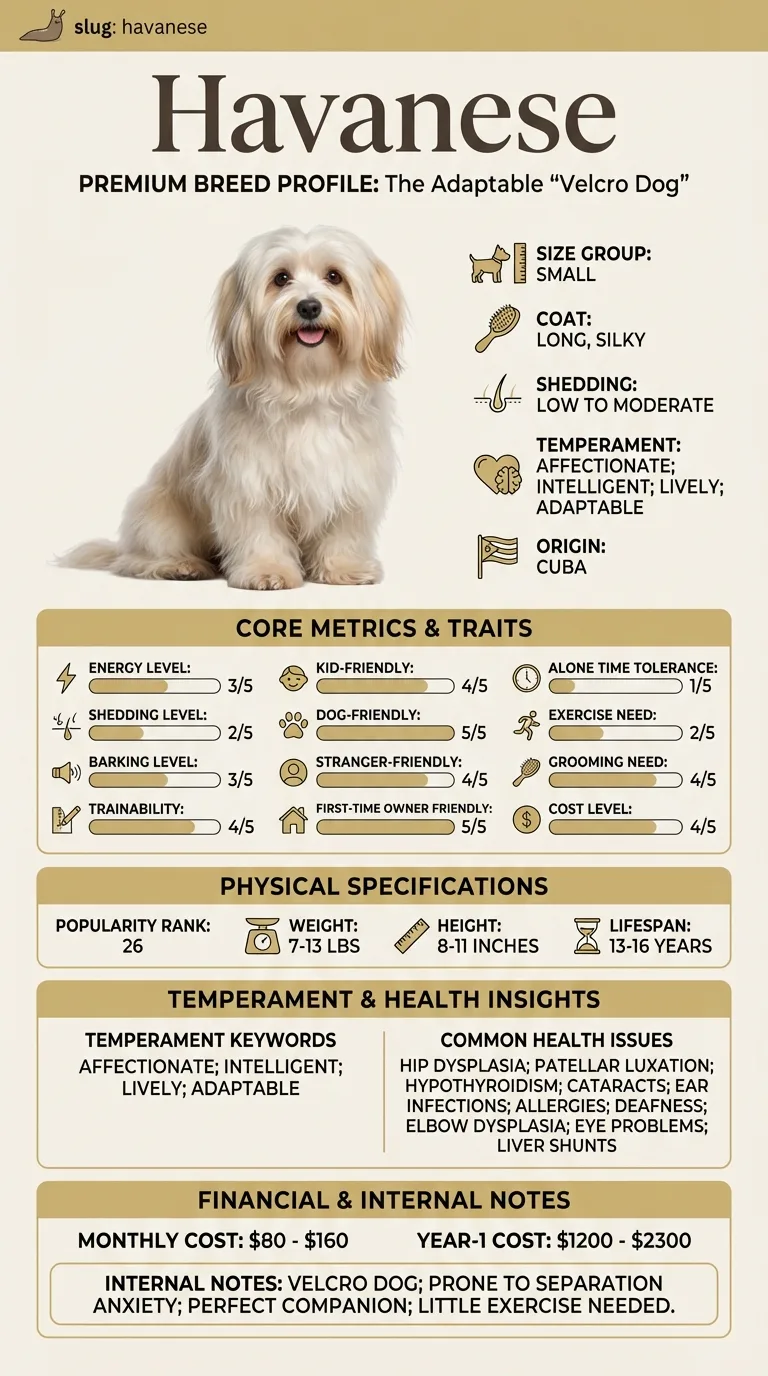
This comparison appeals to dog lovers trying to choose between a large, affectionate Bernese Mountain Dog and a small, lively Havanese. Perhaps you’re a family with kids looking for a friendly companion or a busy apartment dweller wanting a low-energy pet. Understanding the differences in size, energy levels, and care needs will help you make the best choice for your home and lifestyle.
If you're looking for a large, loyal family dog, the Bernese Mountain Dog is a great fit, while the Havanese is perfect for those who want a smaller, low-shedding companion.
Choose a Bernese Mountain Dog if you have space, enjoy outdoor activities, and want a dedicated family pet that bonds closely with children.
Opt for a Havanese if you live in an apartment, prefer a lower exercise requirement, and need a dog that thrives on companionship without heavy shedding.
| Feature | bernese mountain dog | havanese | Winner |
|---|---|---|---|
| Size class | large | small | Equal |
| Weight | 70–115 lbs | 7–13 lbs | Equal |
| Height | 23–27 in | 8–11 in | Equal |
| Lifespan | 7–10 years | 13–16 years | havanese |
| Exercise need | Moderate (3/5) | Low (2/5) | havanese |
| Grooming need | Moderate (3/5) | High (4/5) | bernese mountain dog |
| Shedding | High (4/5) | Low (2/5) | havanese |
| Energy level | Moderate (3/5) | Moderate (3/5) | Equal |
| Barking | Low (2/5) | Moderate (3/5) | bernese mountain dog |
| Apartment suitability | Low (2/5) | Very high (5/5) | havanese |
| Good for first-time owners | High (4/5) | Very high (5/5) | havanese |
| Tolerates being alone | Moderate (3/5) | Very low (1/5) | bernese mountain dog |
| Trainability | High (4/5) | High (4/5) | Equal |
| Good with kids | Very high (5/5) | High (4/5) | bernese mountain dog |
| Good with other dogs | Very high (5/5) | Very high (5/5) | Equal |
| Friendly to strangers | High (4/5) | High (4/5) | Equal |
| Cost level | High (4/5) | High (4/5) | Equal |
| Coat | Double coat, medium-length | Long, silky | Equal |
| Origin | Switzerland | Cuba | Equal |
| Typical monthly cost | $120–$250 | $80–$160 | Equal |
| Typical first-year cost | $1,800–$3,200 | $1,200–$2,300 | Equal |
The Bernese Mountain Dog is a large breed, weighing between 70 to 115 pounds. This size requires ample space for exercise and living, making them less suitable for apartment life. In contrast, the Havanese is small and weighs only 7 to 13 pounds, thriving in smaller spaces such as apartments or condos, making them the better choice for city dwellers.
Bernese Mountain Dogs have a double coat that sheds heavily, especially during seasonal changes. Regular grooming is necessary to manage this shedding. On the other hand, Havanese dogs have long, silky hair that sheds minimally, making them more suited for owners looking for a low-shedding companion.
However, their coats do require regular grooming to prevent matting.
While Bernese Mountain Dogs typically live 7 to 10 years, they are prone to serious health issues like hip dysplasia and bloat. This shorter lifespan can be a significant consideration for families. In comparison, Havanese dogs enjoy a longer lifespan of 13 to 16 years, but they also face health concerns like patellar luxation and allergies.
Families should weigh these factors when deciding.
If you're living in an apartment, the clear winner is the Havanese. This small breed thrives in tight spaces and is highly adaptable. With a low exercise requirement and a friendly disposition, they make great companions without needing a yard.
The Bernese Mountain Dog is the champion for families with kids. Their gentle and patient nature makes them excellent playmates. Plus, their size and strength can handle the roughhousing that comes with children, ensuring a safe and fun environment.
For first-time dog owners, the Havanese takes the lead. They are easy to train, friendly, and require less exercise, making them manageable for new pet parents. Their affectionate and adaptable nature means they can fit into various lifestyles without overwhelming their owners.
When it comes to ownership costs, the Havanese is the winner. With lower monthly care expenses and generally lower vet bills, they are easier on the wallet. In contrast, the Bernese Mountain Dog, while wonderful, can incur higher costs due to their size and health issues.
Both breeds have similar energy levels, but the Havanese edges out as the winner for those preferring lower activity. They require less rigorous exercise, making them suitable for a more laid-back lifestyle. The Bernese, while not overly energetic, still needs regular walks and playtime.


Choosing between a Bernese Mountain Dog and a Havanese depends on your lifestyle. If you have a large space and want a gentle giant, the Bernese is a great fit. For small apartments and a cuddly companion, the Havanese shines. This answer relates to Bernese Mountain Dog vs Havanese.
Yes, the Bernese Mountain Dog generally has higher ownership costs compared to the Havanese. Yearly costs for a Bernese range from $1,800 to $3,200, while Havanese costs between $1,200 and $2,300.
Both breeds have a moderate energy level, rated at about 3 out of 5. However, the Bernese may require more outdoor exercise due to its size, while the Havanese is content with less activity.
Yes, Bernese Mountain Dogs are known for their excellent temperament with children, rated 5 out of 5. Havanese are also kid-friendly, rated 4, making both breeds suitable for families.
Bernese Mountain Dogs require moderate grooming due to their double coat, while Havanese need more regular grooming due to their long, silky hair. Both breeds benefit from routine grooming to manage shedding.
Bernese Mountain Dogs are not ideal for apartment living due to their size and exercise needs, rated 2 out of 5 for suitability. Havanese are perfect for apartments, with a rating of 5.
Both breeds share some common health issues, including hip dysplasia and allergies. However, Bernese are prone to more severe conditions like bloat and cancer, while Havanese may face issues like patellar luxation.
Havanese generally have a longer lifespan of 13 to 16 years, while Bernese Mountain Dogs typically live between 7 and 10 years. This is an important consideration for long-term commitment.
The Bernese Mountain Dog has a moderate energy level, requiring regular exercise.
Bernese Mountain Dogs shed heavily, especially during seasonal changes.
Havanese ownership costs range from $1,200 to $2,300 in the first year.
Yes, Havanese are friendly and adaptable, making them great family pets.
Bernese Mountain Dogs require moderate grooming due to their double coat.
Secure checkout on Stripe. We never see your card.
7-day money-back guarantee. Instant access.
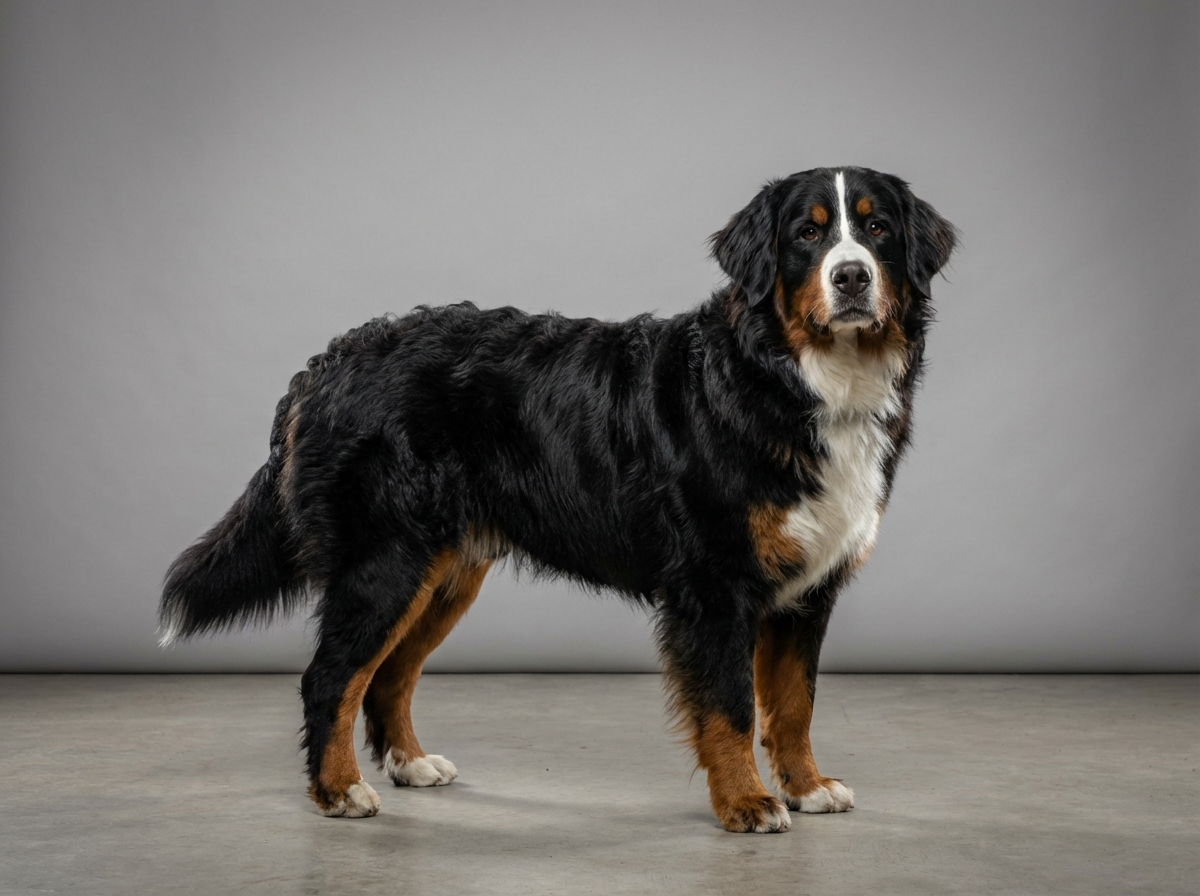
This guide is not medical advice. If your dog shows pain, sudden behavior change, or worsening symptoms, consult a licensed veterinarian.
Some links may be affiliate links. We may earn a commission at no extra cost to you. We only suggest products we believe are helpful for dog owners.
We research and check what we publish, but we do not warrant that any figure, date, price, or statement is accurate, complete, or current, and we accept no liability for any loss, cost, injury, or other harm arising from the use of this site. Use it as one reference among several. You remain responsible for your own decisions and for your dog's care - confirm anything that matters with a licensed veterinarian or another qualified professional before you act on it. Full disclaimer.
Match your lifestyle to the right dog.
Take quizNot sure which breed is right for you? Take our 2-minute quiz to find out.
Take the quiz