Behavior
What are some quick tips for German Shorthaired Pointer anxiety?
To manage German Shorthaired Pointer anxiety, ensure daily exercise, establish a routine, and use calming aids if needed.

Quick answer
What are some quick tips for German Shorthaired Pointer anxiety?
To manage German Shorthaired Pointer anxiety, ensure daily exercise, establish a routine, and use calming aids if needed.
German Shorthaired Pointer anxiety can be challenging, affecting their behavior and happiness.
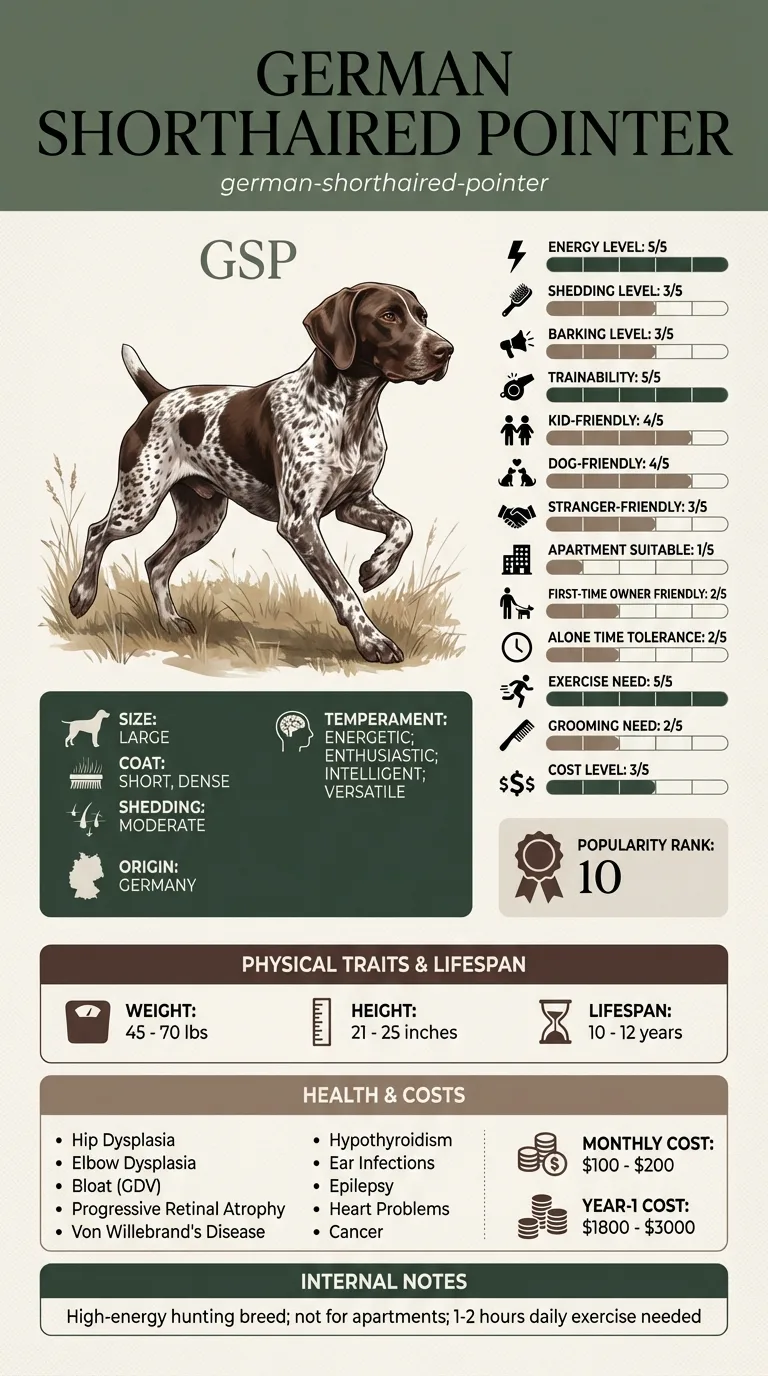
This guide is for German Shorthaired Pointer owners who are noticing anxiety-related issues in their dogs and want practical strategies to help them feel more secure and relaxed.
German Shorthaired Pointer anxiety often manifests as restlessness and excessive barking. Owners may notice their GSP pacing, whining, or even chewing on furniture when anxious. This breed, known for its high energy, can become overwhelmed in stressful environments, leading to noticeable behavioral changes.
If your dog's anxiety persists or worsens despite your efforts, consider seeking professional training. A certified trainer can help you with tailored behavior modification techniques.
If your German Shorthaired Pointer shows severe anxiety signs, such as excessive barking, destructive behavior, or self-harm, consult a vet or a behaviorist. They can assess your dog's needs and recommend appropriate treatments or medications.
There are various tools and products that can help manage and reduce German Shorthaired Pointer anxiety. These can be crucial for both training and creating a calming environment.
Managing German Shorthaired Pointer anxiety often requires some changes to your daily routine. These adjustments can greatly improve your dog's comfort and reduce stress. Start by establishing a consistent schedule to provide your GSP with a sense of security.
Regular feeding, exercise, and playtimes help them know what to expect each day.
German Shorthaired Pointers need a lot of exercise. Aim for at least 1-2 hours of physical activity daily. Regular walks, runs, and playtime not only burn off excess energy but also help alleviate anxiety.
Consider incorporating mentally stimulating activities like puzzle toys or training sessions.

GSPs generally struggle with being alone for long periods. If you need to leave them, gradually increase their alone time. Start with short absences and slowly extend them as your dog adjusts.
This process can help your dog feel more secure when you are gone.

Incorporating calming routines into your household can also be beneficial. Try creating a quiet space where your GSP can retreat when feeling anxious. Use calming music or white noise to help soothe them.
Engaging in daily training routines can also provide structure and mental stimulation.

Tracking your German Shorthaired Pointer's anxiety progress can feel overwhelming, but focusing on small victories can help. Look for micro-wins, like your dog being calmer during brief departures or showing less distress during loud noises. These little signs indicate that the anxiety management strategies are beginning to work.
However, setbacks are a normal part of the journey. If your GSP suddenly seems more anxious after a change in routine or environment, don’t panic. This can happen, and recognizing it as part of the process is crucial.
It’s important to stay patient and consistent with your training and care.
To know if your plan is effective, observe your dog's behavior over time. Are they gradually becoming more relaxed during situations that used to trigger anxiety? If you’re seeing more of these positive changes, your efforts are likely paying off.
If anxiety persists or worsens despite your best efforts, consider escalating your approach by consulting a professional trainer or a vet for additional support.

Meet Sarah, a busy nurse living on the outskirts of Chicago. Her German Shorthaired Pointer, Max, was anxious every time she left for work, barking and pacing until she returned. After trying soothing music and a snug blanket for comfort, Sarah realized these methods weren't enough. It wasn’t until she consulted a dog trainer that things began to improve. The trainer introduced gradual desensitization techniques for Max, helping him feel more secure when alone. They also started incorporating puzzle toys to keep him mentally engaged while she was away. Over a few weeks, Max's anxiety decreased significantly, allowing Sarah to leave for work without worrying about his distress.
Key takeaway: Training and mental stimulation can greatly reduce German Shorthaired Pointer anxiety.
German Shorthaired Pointer anxiety can stem from a variety of factors, including genetics, lack of socialization, or changes in their environment. This breed is known to be sensitive, and they may experience anxiety if they're not adequately exercised or if they're left alone for long periods. Understanding the triggers is key to managing their anxiety.
To stop German Shorthaired Pointer anxiety, focus on consistent training and providing plenty of physical and mental stimulation. Regular exercise is essential, as this breed has high energy levels and needs about 1-2 hours of activity daily. Creating a stable routine and gradually introducing them to new experiences can also help reduce anxiety.
Yes, training can significantly help with your German Shorthaired Pointer's anxiety. Positive reinforcement techniques can teach them coping skills and boost their confidence. Consider enrolling in a specialized training program focused on anxiety management to establish a strong bond and effective communication.
Products like anxiety wraps, calming treats, and interactive toys can help ease your German Shorthaired Pointer's anxiety. These items provide comfort and distraction, making it easier for them to relax. Always consult with your vet before introducing new products to ensure they're suitable for your dog.
Travel can be stressful for dogs, especially for those with anxiety. To help your German Shorthaired Pointer, consider using a comfortable crate, bringing familiar toys, and taking breaks during long trips. Gradual exposure to car rides and new surroundings can also ease their nerves.
As dogs age, they may experience anxiety due to changes in their environment or health. Common reasons include cognitive decline, loss of a companion, or changes in routine. It's important to consult your vet to rule out any medical issues and develop a tailored anxiety management plan.
Training multiple German Shorthaired Pointers together can be beneficial, but it requires careful management. Each dog may have different anxiety triggers. Individual training sessions are essential to address their specific needs, followed by group sessions to build confidence in a social setting.
Separation anxiety in German Shorthaired Pointers can be challenging. Start by gradually increasing the time your dog spends alone, and provide engaging toys to keep them occupied. Consider training methods to build their independence, and consult a professional if the anxiety persists.
Yes, common signs of anxiety in German Shorthaired Pointers include excessive barking, destructive behavior, pacing, or hiding. Changes in appetite, aggression, or clinginess can also indicate anxiety. Observing your dog's behavior closely can help you identify and address their anxiety.
To manage German Shorthaired Pointer anxiety, ensure daily exercise, establish a routine, and use calming aids if needed.
A German Shorthaired Pointer needs about 1-2 hours of exercise daily to stay happy and healthy.
Yes, crate training can provide a safe space for your German Shorthaired Pointer, but it should be done gradually and positively.
If your German Shorthaired Pointer is destructive, it may be a sign of anxiety. Increase their exercise and mental stimulation to help reduce this behavior.
Anxiety and pain look alike from the outside. Get the prep sheet for this breed's separation-anxiety page and take it to the vet.
You get: Vet visit prep sheet
No spam. One-click unsubscribe. See our privacy policy.
Preview page 1 before you decide.
This guide is not medical advice. If your dog shows pain, sudden behavior change, or worsening symptoms, consult a licensed veterinarian.
Some links may be affiliate links. We may earn a commission at no extra cost to you. We only suggest products we believe are helpful for dog owners.
We research and check what we publish, but we do not warrant that any figure, date, price, or statement is accurate, complete, or current, and we accept no liability for any loss, cost, injury, or other harm arising from the use of this site. Use it as one reference among several. You remain responsible for your own decisions and for your dog's care - confirm anything that matters with a licensed veterinarian or another qualified professional before you act on it. Full disclaimer.
Not sure which breed is right for you? Take our 2-minute quiz to find out.
Take the quiz